Have you ever wondered if your rental property’s smoke alarms are actually working? When was the last time you tested them properly? Could a faulty smoke alarm put your tenants—and your investment—at serious risk?
These questions might seem straightforward, but they’re absolutely vital for every landlord in Australia. Smoke alarms are your first line of defence against house fires, and as a property owner, you’ve got both legal and moral responsibilities to keep them in top working order. A functioning smoke alarm can mean the difference between a minor incident and a devastating tragedy.
In this guide, we’ll walk you through everything you need to know about performing thorough smoke alarm checks for your rental property. You’ll learn about your legal obligations across different Australian states, understand who’s responsible for what, and get a practical step-by-step checklist for testing your alarms. Plus, we’ll cover the types of alarms required, where they should be installed, and whether you can handle compliance checks yourself or need to call in the professionals. Let’s get stuck into it.
Understanding Your Legal Obligations as a Rental Property Owner
As a landlord in Australia, you’re legally required to ensure your rental property has compliant smoke alarms. This isn’t optional—it’s the law, and the requirements can vary depending on where your property is located.
State-by-State Smoke Alarm Requirements in Australia
Each Australian state has its own specific smoke alarm legislation. In Queensland, for instance, all rental properties must have interconnected photoelectric smoke alarms in every bedroom, hallway, and on each level of the home. New South Wales requires working smoke alarms on each storey, while Victoria mandates alarms be positioned near bedrooms and in hallways.
Western Australia, South Australia, Tasmania, and the territories all have their own variations too. The common thread? Every rental property must have functioning smoke alarms, and they must meet Australian Standards. It’s worth checking your specific state’s requirements, as non-compliance can land you in hot water.
What Happens If Your Rental Property Fails a Smoke Alarm Inspection?
Failing an inspection isn’t just embarrassing—it can be costly. Penalties vary by state, but fines can reach into the thousands of dollars. More importantly, if a fire occurs and your smoke alarms weren’t compliant, you could face serious legal liability. Your insurance may not cover damages, and you could be held personally responsible for any injuries or deaths that result from your negligence.
How Often Should Smoke Alarms Be Checked in a Rental Property?
Regular checks are non-negotiable when it comes to smoke alarm safety. But how often is often enough, and who should be doing the testing?
Annual Compliance Checks vs Regular Maintenance
At a minimum, smoke alarms in rental properties need a formal compliance check at least once a year. This annual check confirms that all alarms are working, correctly positioned, and meet current standards. However, regular maintenance should happen more frequently—ideally monthly.
Think of it this way: the annual check is your official compliance tick, while monthly testing ensures everything stays in working order between formal inspections. Both are essential for keeping your tenants safe and your property compliant.
Who Is Responsible for Testing Smoke Alarms: Landlord or Tenant?
This is where things can get a bit murky. Generally speaking, landlords are responsible for installing compliant smoke alarms and ensuring they work at the start of each tenancy. They’re also responsible for annual compliance checks and replacing alarms when they expire.
Tenants, on the other hand, are typically responsible for testing alarms regularly (usually monthly), replacing batteries when needed, and notifying the landlord if an alarm isn’t working. It’s crucial to make sure your tenants understand their responsibilities—include this information in the tenancy agreement.
Step-by-Step Guide: How to Perform a Smoke Alarm Check
Ready to check your smoke alarms? Here’s a practical guide to help you do it properly.
Visual Inspection Checklist
Start with a thorough visual inspection:
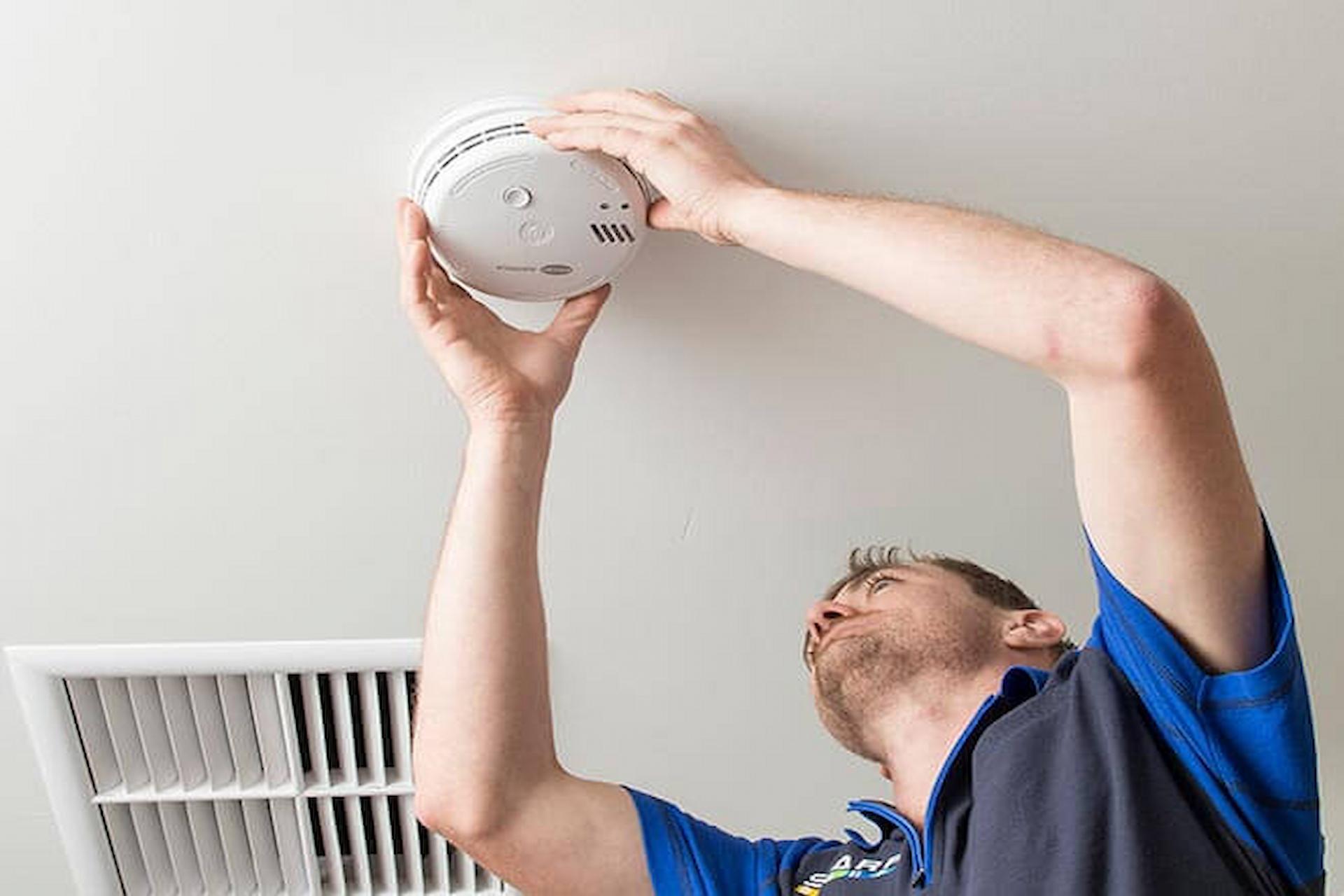
- Check that alarms are securely mounted to the ceiling or wall
- Look for any physical damage, cracks, or discolouration
- Verify the alarm hasn’t been painted over
- Confirm there’s no dust, cobwebs, or debris covering the unit
- Check the expiry date on the alarm (usually printed on the back)
Testing the Alarm Function
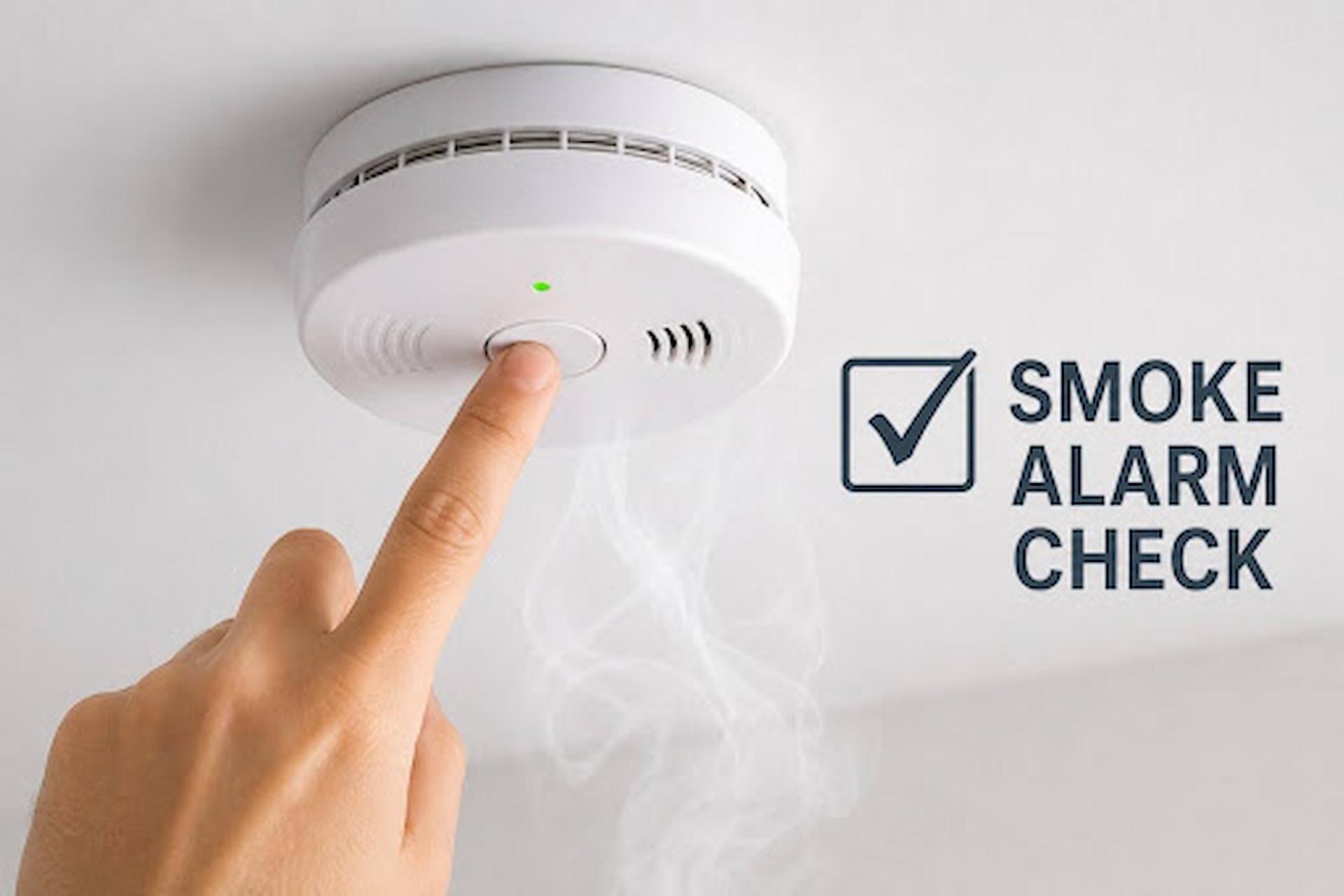
Press and hold the test button on each alarm until it sounds. The alarm should produce a loud, clear beep. If the sound is weak or non-existent, there’s a problem that needs addressing immediately.
For interconnected alarms, testing one should trigger all connected units. Make sure you check this functionality as well.
Checking Battery Life and Expiry Dates
Most smoke alarms will chirp when batteries are running low, but don’t rely solely on this warning. Check batteries during each inspection and replace them annually as a precaution. Also, note the expiry date—smoke alarms typically last 10 years from manufacture and must be replaced after this period.
Cleaning and Maintaining Your Smoke Alarms
Dust and insects can interfere with alarm sensors. Use a vacuum cleaner with a soft brush attachment to gently clean around the vents. Never use water or cleaning products, as these can damage the unit.
What Type of Smoke Alarm Is Required in Rental Properties?
Not all smoke alarms are created equal, and Australian regulations are quite specific about what’s acceptable in rental properties.
Ionisation vs Photoelectric Smoke Alarms
Ionisation alarms respond quickly to fast-flaming fires but can be slow to detect smouldering fires. Photoelectric alarms, conversely, are better at detecting slow, smouldering fires—which are actually more common in Australian homes.
Most Australian states now require photoelectric smoke alarms in rental properties because they provide better all-round protection and are less prone to nuisance alarms from cooking.
Interconnected Smoke Alarm Requirements
Interconnected alarms are linked together so that when one detects smoke, all alarms in the property sound simultaneously. This is particularly important in larger homes or multi-storey properties where a fire in one area might not be heard in another.
Queensland already requires interconnected alarms in rentals, and other states are moving in this direction. Check your local requirements and consider upgrading even if it’s not yet mandatory—it’s a worthwhile safety investment.
Where Should Smoke Alarms Be Installed in a Rental Property?
Correct placement is just as important as having the right type of alarm.
Minimum Placement Requirements
At minimum, you’ll need smoke alarms:
- On every storey of the property
- In hallways that connect bedrooms to the rest of the home
- In each bedroom (required in some states)
- In living areas (depending on your state’s requirements)
Alarms should be mounted on the ceiling, at least 300mm away from walls and light fittings.
Common Installation Mistakes to Avoid
Avoid installing alarms near kitchens, bathrooms, or laundries where steam and cooking fumes cause false alarms. Don’t position them near air conditioning vents or windows where airflow might prevent smoke from reaching the sensor. Also, never paint over alarms or cover them with decorations.
Can a Landlord Do Their Own Smoke Alarm Compliance Check?
This is a question many landlords ask, and the answer depends on your situation.
DIY Checks vs Professional Smoke Alarm Services
In most states, landlords can perform their own smoke alarm check, provided they follow all requirements and document everything properly. However, professional services offer peace of mind and typically provide compliance certificates that prove you’ve met your obligations.
Professional technicians know the regulations inside out and can spot issues you might miss. They’ll also handle any necessary repairs or replacements on the spot.
When to Hire a Licensed Technician
Consider hiring a professional if:
- You’re unsure about current regulations
- Your property needs hardwired or interconnected alarms
- You manage multiple properties and need efficiency
- You want documented proof of compliance for insurance purposes
The cost is relatively modest compared to the potential penalties for non-compliance.
Protecting Your Tenants and Your Investment
Performing regular smoke alarm checks isn’t just about ticking boxes—it’s about genuinely protecting the people living in your property and safeguarding your investment. A few minutes of your time each year could prevent a tragedy.
To sum up, remember that you’ve got clear legal obligations as a landlord, and these vary by state. Regular testing, proper maintenance, and using the correct type of smoke alarms are all essential. Whether you choose to handle checks yourself or bring in professionals, the important thing is that it gets done properly and consistently.
So, when did you last check your rental property’s smoke alarms? If it’s been a while, now’s the perfect time to schedule an inspection. Your tenants are counting on you, and honestly, peace of mind is priceless. Take action today—your future self will thank you for it.