Plumbing plays a central role in the comfort and function of every home in Australia. Clean water supply, safe drainage, and working fixtures all depend on skilled plumbers who understand residential plumbing systems. From fixing leaks to installing water systems, plumbers support the daily routines of households across the country.
Many homeowners only think about plumbing when a problem appears. A leaking tap, blocked drain, or broken pipe quickly shows how important reliable plumbing work can be. Professional plumbers help keep homes running smoothly while also supporting long-term property maintenance.
Understanding how plumbers work and when to seek their help is an important step in responsible home improvement. This guide explains the role of plumbers in Australian homes, common plumbing services, local regulations, and practical tips for homeowners. The insights reflect information commonly discussed through trusted home improvement resources such as hamesreid.com.au.
Why Plumbers Are Important in Australian Homes
Water systems in Australian homes rely on a network of pipes, valves, and fixtures that must operate safely and efficiently. Skilled plumbers install, repair, and maintain these systems to ensure they function correctly.
Plumbers support many essential parts of the household, including:
Water supply systems
Drainage and waste pipes
Bathroom and kitchen plumbing
Laundry plumbing systems
Hot water systems
Outdoor water connections
Without professional plumbers, maintaining these systems would be difficult and sometimes unsafe. Plumbing work often requires technical knowledge and proper installation methods to avoid damage to the property.
Australian homes also face unique environmental conditions. Weather changes, soil movement, and aging infrastructure can affect pipes and drainage systems. Plumbers help manage these challenges through regular maintenance and careful repairs.
Common Plumbing Services Provided by Plumbers
Plumbers provide a wide range of services that support household plumbing systems. These services help maintain water flow, prevent leaks, and ensure drainage systems work correctly.
Leak Detection and Repair
Water leaks can occur in pipes, taps, or fittings. Even small leaks may cause long-term damage if left untreated. Plumbers locate the source of leaks and repair damaged sections of the plumbing system.
Drain Cleaning and Blockage Removal
Blocked drains are a common issue in Australian households. Kitchen waste, hair, soap residue, and debris can restrict water flow through pipes.
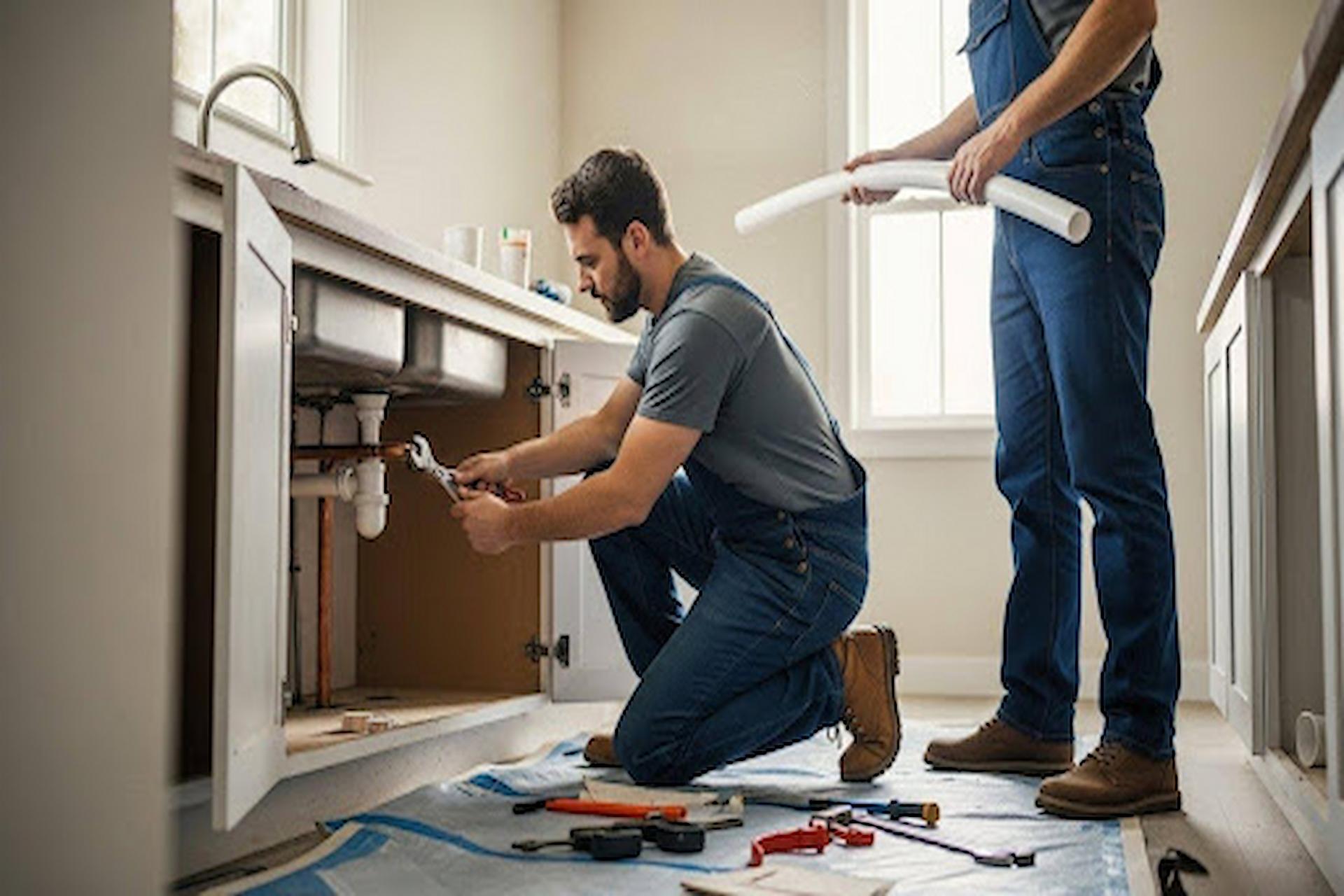
Plumbers use specialised equipment to remove blockages and restore proper drainage.
Hot Water System Installation
Many homes rely on plumbers to install and maintain hot water systems. Proper installation ensures safe operation and reliable water heating for everyday use.
Pipe Replacement and Maintenance
Older homes may have aging pipes that require replacement. Plumbers inspect pipe systems and replace worn sections to maintain reliable water supply.
Bathroom and Kitchen Plumbing
Renovations often involve installing new sinks, taps, showers, or toilets. Plumbers ensure these fixtures connect properly to the plumbing network.
Understanding Plumbing Regulations in Australia
Plumbing work in Australia must follow specific safety and construction regulations. These rules protect homeowners and ensure plumbing systems operate safely.
The Australian Building Codes Board oversees the National Construction Code, which includes standards for plumbing systems across the country.
These guidelines help ensure:
Safe drinking water supply
Proper wastewater disposal
Protection against water contamination
Reliable plumbing installation practices
Licensed plumbers are trained to follow these regulations when installing or repairing plumbing systems.
Many states and territories also require plumbing work to be performed by certified professionals. This ensures plumbing installations meet safety and quality standards.
When Homeowners Should Call Plumbers
Knowing when to contact plumbers helps prevent small plumbing issues from becoming larger problems.
Common situations where plumbers are needed include:
Persistent water leaks
Slow or blocked drains
Low water pressure
Hot water system problems
Pipe damage or corrosion
Bathroom or kitchen renovations
Ignoring these problems may lead to water damage or costly repairs. Professional plumbers can identify the issue and provide a reliable solution.
How Plumbers Support Home Improvement Projects
Home improvement projects often involve changes to plumbing systems. Renovations that upgrade bathrooms, kitchens, or outdoor spaces require plumbing expertise.
Bathroom Renovations
New showers, bathtubs, and sinks require proper plumbing connections. Plumbers ensure water flows correctly and drainage systems work efficiently.
Kitchen Upgrades
Modern kitchens rely on reliable plumbing for sinks, dishwashers, and water connections. Plumbers install these systems so they operate smoothly.
Laundry Improvements
Laundry areas depend on water supply and drainage connections. Plumbers help design layouts that support washing machines and cleaning equipment.
Outdoor Plumbing
Outdoor taps, garden irrigation systems, and drainage lines may also require plumbing installation. Plumbers help manage these systems safely.
Many homeowners research plumbing guidance and renovation preparation through resources such as hamesreid.com.au before beginning improvement projects.
Signs That Plumbing Systems Need Professional Attention
Recognising early warning signs helps homeowners respond quickly when plumbing problems begin.
Signs that plumbers may be required include:
Water stains on walls or ceilings
Unusual sounds from pipes
Slow drainage in sinks or showers
Sudden drops in water pressure
Persistent moisture near plumbing fixtures
Addressing these signs early helps protect the home from water damage and supports long-term plumbing performance.
Maintenance Tips Recommended by Plumbers
Regular care helps reduce the risk of plumbing problems. Many plumbers encourage homeowners to follow simple maintenance practices.
Helpful maintenance habits include:
Avoid placing grease or food waste down kitchen drains
Check taps and fittings for leaks
Keep drains free from hair and debris
Monitor water pressure levels
Arrange periodic plumbing inspections if needed
These simple actions help maintain healthy plumbing systems throughout the home.
Plumbing and Australian Home Culture
Australian homes often feature active kitchens, busy bathrooms, and outdoor spaces used for gardening or cleaning. Plumbing systems must support these daily activities.
Outdoor living also plays a large role in Australian lifestyles. Garden taps, irrigation systems, and outdoor cleaning areas often rely on plumbing connections. Skilled plumbers help maintain these systems so they work efficiently.
Water conservation is another important topic across Australia. Many plumbing upgrades focus on improving water efficiency while maintaining strong water flow.
Questions and Answers: Common Questions About plumbers in Australia
Q: How do homeowners know when to contact plumbers?
Homeowners should contact plumbers when they notice leaks, blocked drains, unusual pipe sounds, or reduced water pressure.
Q: Why are licensed plumbers important in Australia?
Licensed plumbers follow national plumbing standards and ensure installations meet safety regulations.
Q: Can plumbers help with home renovation projects?
Yes. Plumbers assist with installing sinks, taps, showers, toilets, and other plumbing fixtures during renovation work.
Q: What causes blocked drains in Australian homes?
Common causes include food waste, grease, soap residue, hair, and debris collecting inside pipes.
Q: How can homeowners prevent plumbing problems?
Regular inspection, careful drain use, and early repairs help prevent major plumbing issues.
Conclusion: Your Path to a Successful plumbers in Australia
Reliable plumbing systems support everyday comfort and convenience in Australian homes. From water supply to drainage and hot water systems, skilled plumbers ensure these systems operate safely and efficiently.