Ever noticed a faint damp spot behind your bathroom tiles after a shower, wondering where the water sneaks in? Tile waterproofing seals those hidden paths, keeping your home dry and damage-free. In Australia, where coastal humidity and sudden storms test every surface, effective tile waterproofing protects walls, floors, and structures from rot and mold. This guide uncovers the secrets to flawless tile waterproofing, from materials to application, with tips tailored to our local conditions for bathrooms, kitchens, and outdoor areas.
What Tile Waterproofing Involves and Why It Matters
Tile waterproofing creates a barrier under or over tiles to stop water from penetrating grout or joints. It uses membranes, sealants, or coatings applied before tiling, directing moisture away and preventing buildup. For Australian homes, tile waterproofing is essential in wet zones like showers or laundries, where steam and splashes are daily facts.
Without it, water seeps into subfloors, causing swelling in timber or cracks in concrete—common issues in our expansive soils. Tile waterproofing extends tile life, reduces slip risks, and maintains hygiene by blocking mold in humid spots. It fits renos, turning basic spaces into reliable ones for family routines or entertaining.
In kitchens, tile waterproofing shields benchtops from spills; outdoors, it handles rain on patios. Done right, it saves repairs and boosts property value in our outdoor-loving culture.
Key Components of Tile Waterproofing
Tile waterproofing relies on these elements:
Membranes: Liquid or sheet barriers that flex with movement.
Sealants: Fill gaps around edges and fixtures.
Primers: Prepare surfaces for better adhesion.
Grout Protectors: Shield joints post-installation.
Drainage Aids: Ensure water flows to outlets.
These build a complete defense against leaks.
Secrets to Effective Tile Waterproofing That Lasts
The first secret: surface prep. Clean and dry the base thoroughly—dust or grease weakens bonds, letting water through. In coastal areas, rinse salt residues to avoid corrosion under tiles.
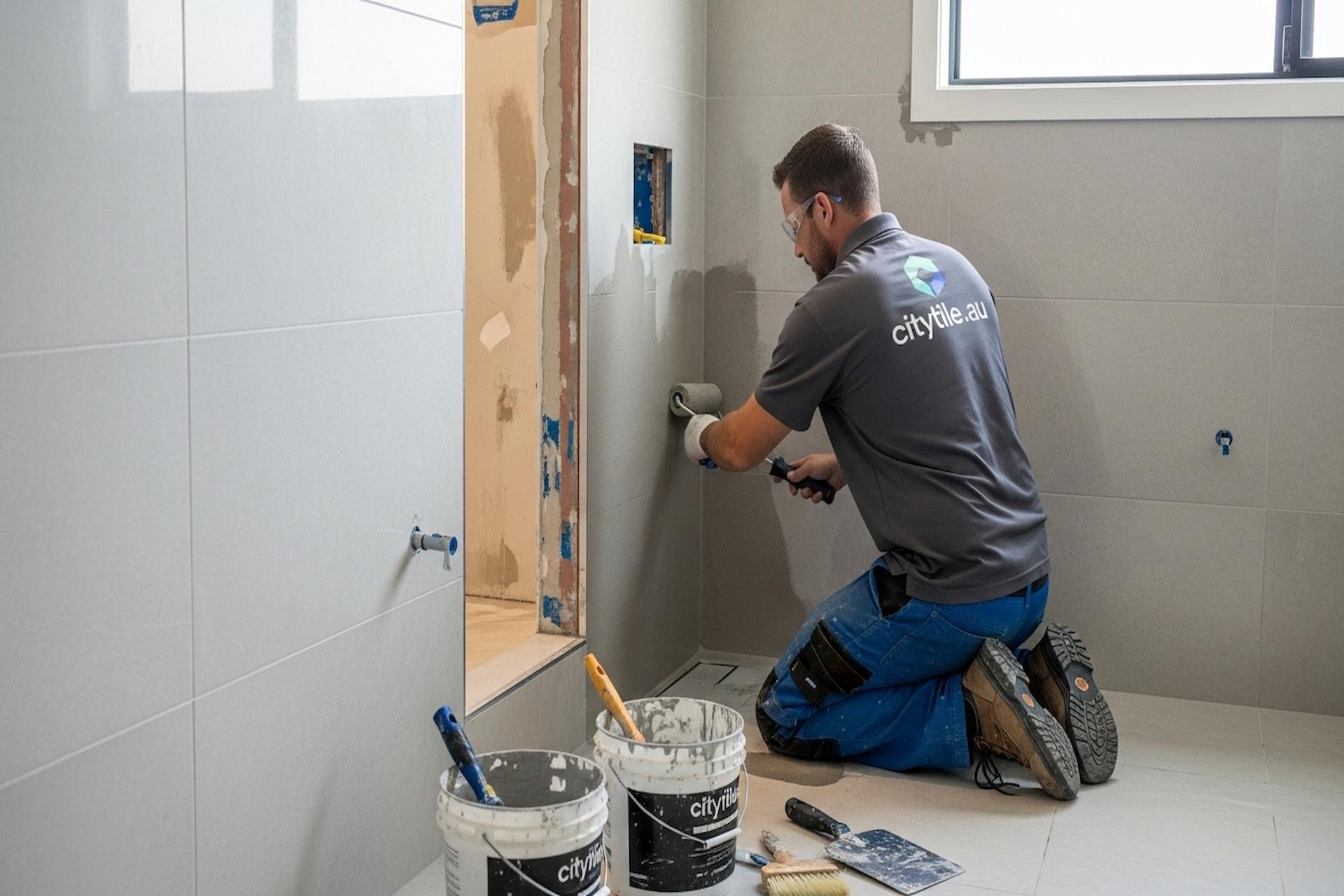
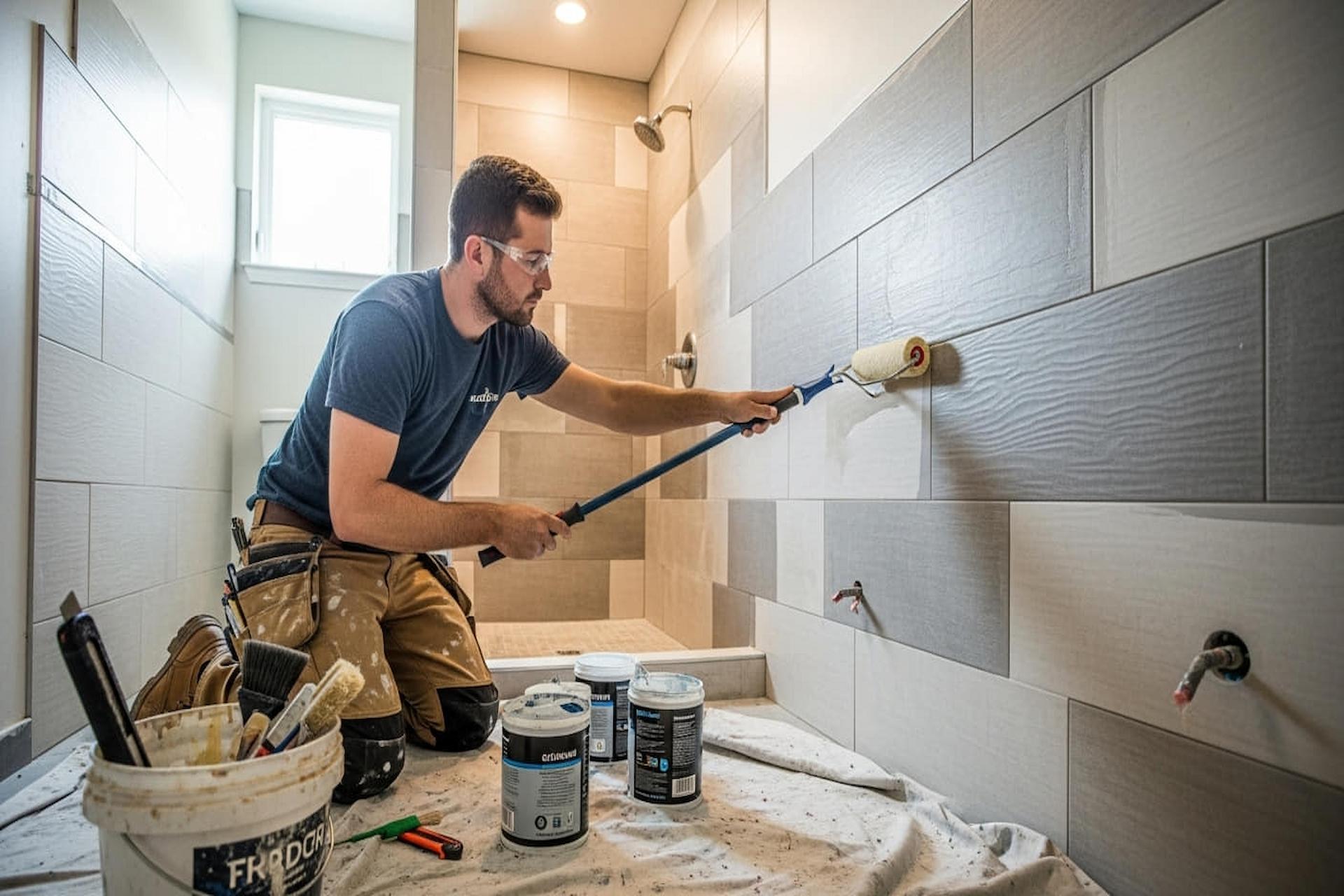
Apply multiple layers for strength. Start with a primer, then a waterproof membrane, overlapping seams by at least 50mm. For showers, extend tile waterproofing up walls and around the hob, creating a “tank” effect that contains water.
Choose flexible materials. In earthquake-prone or soil-shifting zones, elastomeric coatings stretch without cracking. Seal all penetrations—like pipes or drains—with compatible fillers to block sneaky entry points.
Test before tiling: flood the area with water and check for escapes. This reveals flaws early. For outdoor tile waterproofing, use UV-resistant options to withstand our intense sun.
Examples: A Melbourne home used liquid membrane tile waterproofing in a laundry, preventing flood damage during heavy rains. In Brisbane, sheet membranes sealed a balcony, holding up against tropical downpours.
Advanced Techniques for Hidden Protection
Pros layer systems: a base coat, reinforcing fabric in corners, and a top seal. This sandwich method catches every potential leak path.
Common Tile Waterproofing Mistakes and How to Dodge Them
Rushing application tops the list—thin coats dry unevenly, creating weak spots. In humid Darwin, this invites mold as moisture lingers. Always follow curing times, even if it delays tiling.
Ignoring expansion joints causes cracks. Tiles move with temperature changes; without joints, water exploits gaps. In hot Perth summers, unsealed joints lead to bubbling grout.
Wrong material choice spells trouble. Rigid sealants in flexible areas like showers fail under vibration. Opt for products rated for wet zones per standards.
Skipping edges and corners leaves vulnerabilities. Water pools there, eroding subfloors. In elevated Queensland homes, this rots bearers quickly.
Overlooking maintenance lets seals degrade. Reapply grout protectors yearly, especially in high-use areas. Examples: A Sydney bathroom redo failed from unprimed walls, causing wallpaper peels. In Adelaide, ignored joints in a kitchen led to cabinet swelling from spills.
Quick Fixes for Early Issues
Spot dampness? Dry thoroughly and reseal joints before it worsens. Regular checks catch problems from poor tile waterproofing.
Local Insights for Tile Waterproofing in Australia
Australia’s climates demand smart tile waterproofing. In tropical Cairns, breathable membranes prevent trapped steam; in dry Alice Springs, vapor barriers stop condensation under tiles.
Regulations under the National Construction Code require waterproofing in wet areas, with states adding details—like New South Wales’ focus on balcony systems for high-rises. Providers stock compliant kits, while competitors offer DIY versus pro installs.
Cultural habits shape use. In multicultural Sydney, tile waterproofing supports open kitchens for shared cooking. Indigenous designs in remote areas use simple, durable seals for water-scarce homes.
Examples: Hobart’s cool, damp weather prompted vapor-permeable tile waterproofing in ensuites, avoiding mildew. Perth coastal patios used marine-grade sealants against salt spray.
For bushfire zones, non-flammable options meet standards. Providers adapt to these, ensuring tile waterproofing fits local builds.
Coastal Salt Resistance: Extra coatings in Queensland setups.
Inland Dry Control: Anti-condensation layers in South Australia.
Urban High-Rise: Balcony systems in Melbourne towers.
Rural Simplicity: Basic membranes in Tasmania farmhouses.
These make tile waterproofing practical across the country.
Questions and Answers: Common Questions About Tile Waterproofing in Australia
Q: What membranes suit humid coastal bathrooms in New South Wales?
Ans: Liquid-applied types with high elasticity work best. They flex with movement, sealing against steam and salt in Sydney’s variable weather.
Q: How does tile waterproofing meet building codes in Victoria?
Ans: It requires full coverage of wet zones with tested products. Inspectors verify overlaps and drainage to prevent leaks in cooler, rainy climates.
Q: Are eco-friendly options available for tile waterproofing in Queensland?
Ans: Water-based, low-VOC sealants provide strong protection. They suit tropical humidity while aligning with green reno trends in Brisbane.
Q: Can tile waterproofing handle outdoor patios in dry Western Australia?
Ans: UV-stable sheet membranes endure sun and dust. They prevent cracking from heat expansion in Perth’s arid conditions.
Q: What if tile waterproofing fails in older Adelaide homes?
Ans: Reseal joints and reapply primer before retouching. This addresses soil shifts common in South Australia’s expansive grounds.
Conclusion: Your Path to a Successful Tile Waterproofing in Australia
Tile waterproofing prevents hidden leaks through secrets like thorough prep, flexible layers, and edge sealing, protecting against our humidity, sun, and storms. It complies with codes for wet areas, from showers to patios, while avoiding mistakes like thin coats or ignored joints that cause mold or rot. This guide details methods, pitfalls, and local examples, showing tile waterproofing’s role in durable, hygienic homes that support family life and outdoor entertaining.