Australia is famous for its beautiful landscapes and rugged bushland. We love our big backyards and the towering gum trees that provide shade during our hot summers. However, living so close to nature comes with responsibilities. Trees are living organisms, and like all living things, they have a lifespan. They can become sick, damaged, or unstable. When a massive tree starts to lean towards your house or drop heavy branches in the driveway, it stops being an asset and becomes a serious liability. This is when professional tree removal becomes necessary.
Making the decision to cut down a tree is rarely easy. We grow attached to them. They offer privacy and character to our homes. But in the Australian climate, safety has to come first. Severe storms, high winds, and drought can turn a compromised tree into a hazard very quickly. Understanding when and why a tree needs to be removed is the first step in protecting your property and your family.
Identifying a Dangerous Tree
Ideally, you want to catch a problem before a branch crashes through your roof. Trees often give us warning signs that they are struggling, but you have to know what to look for. Sometimes the damage is obvious, like a trunk that has been split by lightning or a lean that gets worse every week. Other times, the danger is hidden inside.
Visual Warning Signs
Dead Wood: If the canopy is full of dry, brittle branches without leaves, the tree is in distress. These branches—often called “widow makers”—can fall without warning.
Deep Cracks: Vertical cracks in the trunk suggest internal structural failure.
Fungal Growth: Mushrooms or fungus growing at the base of the tree usually indicate that the roots or the trunk are rotting from the inside out.
Root Lift: If you see the soil heaving or cracking around the base of the tree, especially after heavy rain, the tree may be losing its grip on the earth.
If you spot any of these signs, it is time to call in an expert. A qualified arborist can perform a risk assessment. They use their knowledge of tree biology and physics to determine if the tree can be saved with pruning or if tree removal is the only safe option.
The Australian Context: Eucalypts and Storms
Our local environment plays a huge role in tree stability. Native Australian trees, particularly Eucalypts (Gum trees), are incredibly resilient, but they have quirks. One well-known issue is “sudden limb drop.” This often happens on hot, still summer days when the tree is under heat stress. It will suddenly shed a heavy branch to conserve water. If that branch is hanging over a playground or a carport, the results can be devastating.
Furthermore, our storm season can be brutal. High winds put immense pressure on tree canopies. If a tree has a weak root system or a hollow trunk caused by termites, it may not withstand the force of a gale. In bushfire-prone areas, managing vegetation is also a matter of compliance and survival. Removing trees that are too close to a dwelling can create a defensible space, helping to protect the home from radiant heat and falling embers.
The Professional Removal Process
Cutting down a large tree is not a DIY project. It is one of the most dangerous jobs in the world if you don’t have the right training and equipment. You cannot simply cut the base and yell “timber” in a suburban backyard. There are fences, power lines, houses, and gardens to consider.
Sectional Dismantling
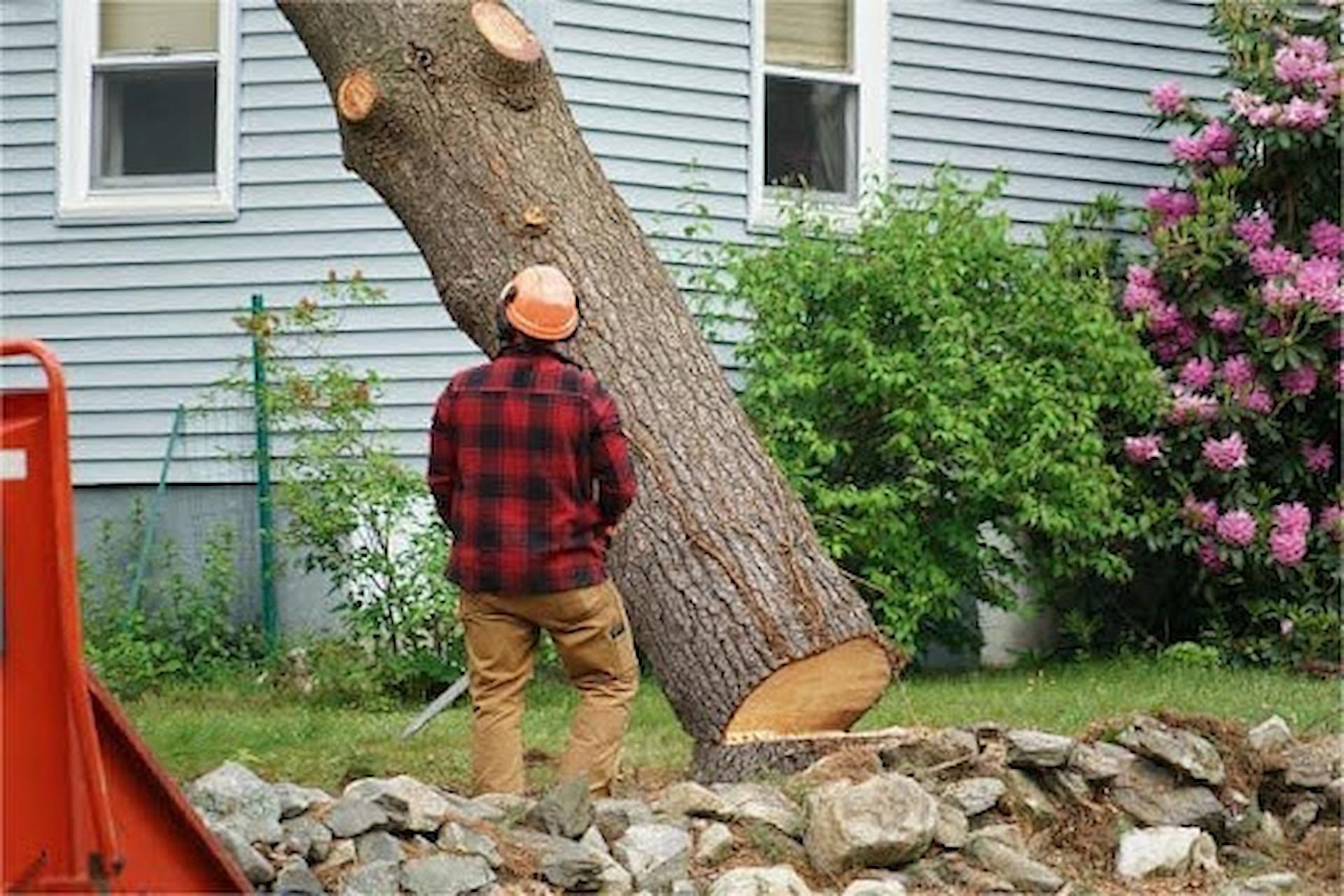
Professional arborists use a technique called sectional dismantling. This involves climbing the tree with specialized harness gear or using an elevated work platform (cherry picker). The arborist cuts the tree down piece by piece, starting from the top.
Rigging and Lowering
Heavy branches are not just thrown to the ground. They are tied off with ropes and pulleys. This allows the ground crew to lower the timber slowly and safely, ensuring it doesn’t smash into the pavers or the garden shed below. This controlled method is essential for tree removal in tight urban spaces found in many Australian cities.
The Role of Cranes
For trees that are dead, unstable, or located in spots where access is impossible, cranes are often used. A crane can lift the entire tree vertically out of the yard, bypassing the house completely. This is the safest method for trees that are too rotten to climb.
Local Council Regulations and Permits
One of the most confusing aspects for homeowners is the legal side of things. In Australia, you usually cannot chop down a tree just because you feel like it. Local councils have strict “Tree Preservation Orders” or “Significant Tree Registers” to protect the canopy cover of the suburb.
The rules vary depending on where you live.
Species: Some councils protect native trees but allow the removal of invasive weed species (like Camphor Laurel or Privet) without a permit.
Size: Often, if a tree trunk is wider than a certain diameter or the tree is taller than a specific height, it is protected.
Location: Trees within a certain distance of your home’s foundation might be exempt from permits in some bushfire zones (known as the 10/30 or 10/50 rule in some states).
Attempting tree removal without the right permit can lead to massive fines. This is where a professional service like True Blue Trees is invaluable. We understand the local laws. We can help you navigate the application process, often providing the necessary arborist reports to prove to the council that the tree is dangerous and needs to go.
After the Tree is Gone: Stump Grinding
Once the tree is on the ground, the job isn’t quite finished. You are left with a stump. Stumps can be unsightly, they take up space, and they can attract pests like termites and white ants.
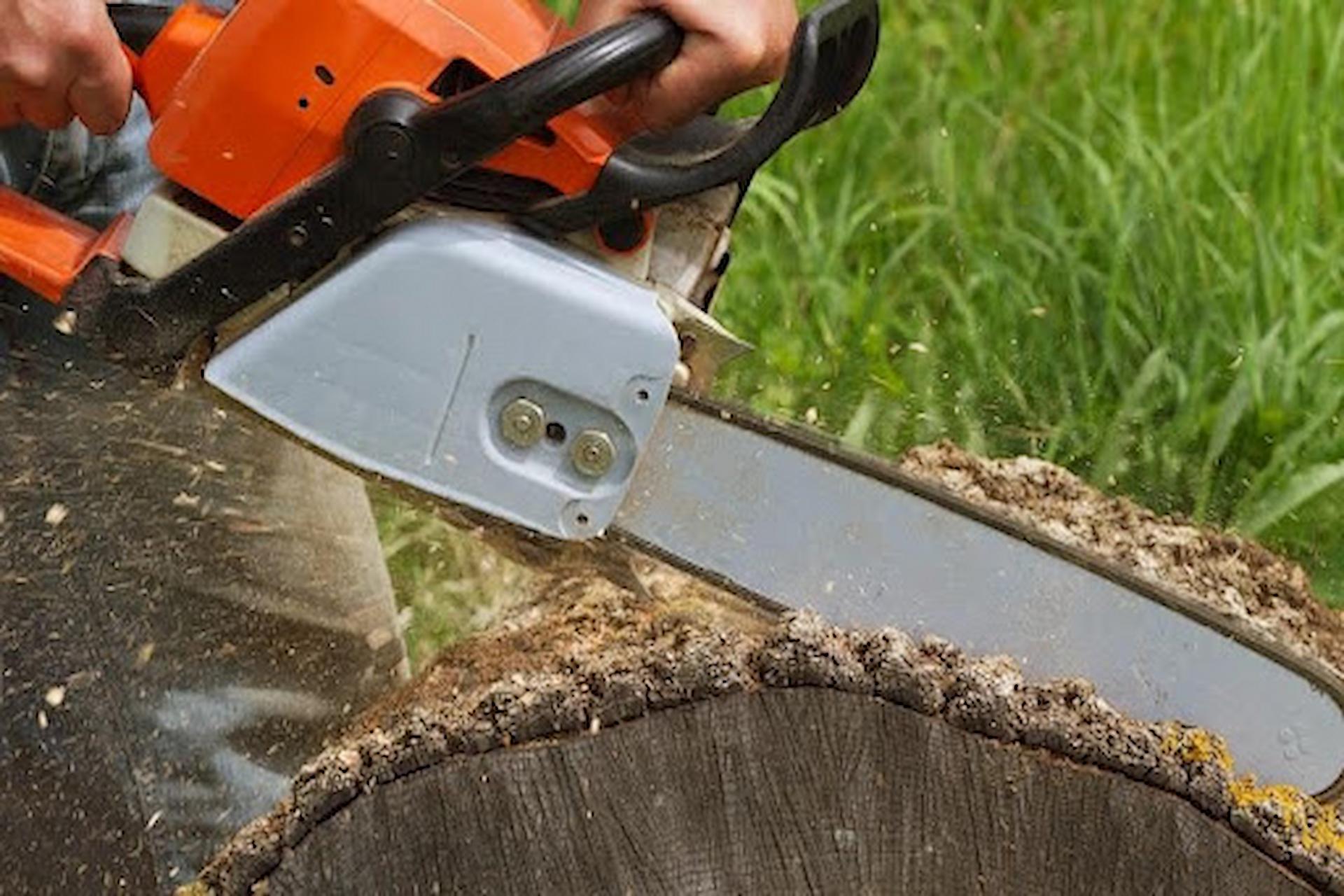
Most professional removal services offer stump grinding. A machine with a spinning cutting disk grinds the wood down below the soil level. This turns the stump into mulch, which can be used to fill the hole. It effectively erases the tree, allowing you to lay turf, pave the area, or replant a more suitable species in the same spot.
The Cost of Ignoring the Problem
Ignoring a dangerous tree is a financial gamble. If a tree on your property damages your neighbour’s house or injures someone, you could be liable. Furthermore, standard home insurance policies often have clauses regarding maintenance. If an insurer determines that the tree was obviously rotten and you did nothing about it, they may refuse to pay for the damage it causes.
Investing in professional tree removal is an investment in peace of mind. It eliminates the risk and ensures that your property remains safe for everyone.
Questions and Answers: Common Questions About tree removal in Australia
Q: Do I always need council permission to remove a tree on my property?
A: Not always, but usually. It depends on your specific council’s regulations, the tree species, and its size. There are exemptions for trees that are dead, dying, or posing an immediate threat to human life. However, you often need an arborist’s report to prove this. It is always safest to check with your council or your arborist before starting any work.
Q: How much does it cost to remove a tree?
A: The price varies significantly based on the size of the tree, the difficulty of access, and the danger involved. A small tree in a front yard is easier to remove than a massive Gum tree overhanging a glass conservatory in a backyard with no side access. We recommend getting a quote where the arborist visits the site to assess the specific challenges.
Q: Can I keep the wood for firewood?
A: Absolutely. If you have a wood heater or a fire pit, let the crew know. Most tree removal companies are happy to cut the larger logs into manageable rounds for you to split later. The smaller branches and leaves are usually put through a chipper and taken away as green waste.
Q: Is it safe to remove a tree during a storm?
A: Emergency removal during a storm is possible but highly dangerous. It requires specialized skills and equipment to handle trees that have fallen on houses or are tangled in power lines. If a tree is impacting power lines, you must call your energy provider or emergency services first to ensure the power is cut before any work begins.
Q: What is the difference between an arborist and a lopper?
A: An arborist is a trained professional with qualifications in tree biology and care. They follow Australian Standards and prioritize safety and tree health. A “lopper” is often an untrained worker who may use harmful techniques like topping, which can make trees more dangerous in the long run. Always choose a qualified arborist for tree removal to ensure the job is done safely and legally.
Conclusion: Your Path to a Successful tree removal in Australia
Managing the trees on your property is about balancing the beauty of nature with the safety of your home. While we all want to preserve our green canopy, there comes a time when a tree is simply too dangerous or unstable to stay. Whether it is due to disease, storm damage, or proximity to your foundation, making the call to remove it is the responsible choice.