Outdoor paving can transform the look and usability of any home. From driveways and patios to garden paths and pool surrounds, quality paving improves both comfort and long-term value. Many homeowners across Australia search for experienced paving contractors when they want durable surfaces that match local conditions and building standards.
This guide explains how paving contractors work, what homeowners should expect during a paving project, and how to plan a successful outdoor improvement. The information is designed for readers exploring paving solutions through citytile.au and looking for reliable insights before starting a project.
Why Paving Matters for Australian Homes
Australia’s climate and landscape create unique challenges for outdoor surfaces. Heat, rainfall, soil movement, and coastal conditions all affect paving materials and installation methods.
Professional paving contractors understand these factors and plan projects accordingly. A well-installed paving surface offers several benefits:
Improves outdoor living areas such as patios and entertaining spaces
Creates strong and stable driveways or walkways
Helps manage drainage around the property
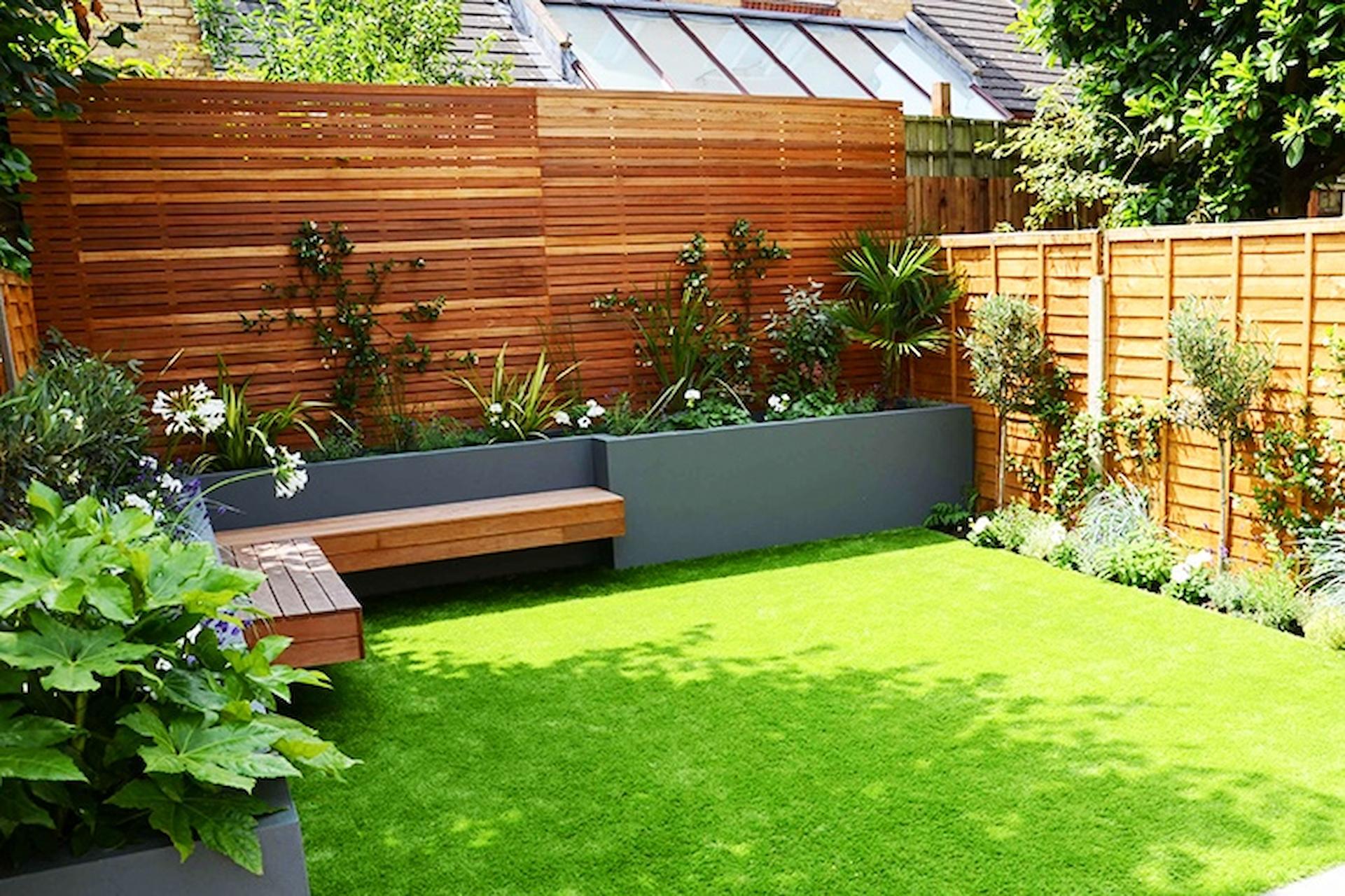
Enhances the visual appeal of gardens and front yards
Adds practical value to residential property
In many Australian suburbs, outdoor areas play an important role in daily life. Families often use patios, courtyards, and backyard spaces throughout the year. Durable paving helps these areas remain functional in different seasons.
What Paving Contractors Do
Paving contractors handle the full process of installing outdoor paved surfaces. Their work involves planning, preparation, installation, and finishing.
Site Assessment
Before starting any project, paving contractors inspect the site. They check ground conditions, slopes, soil stability, and drainage. This step ensures the surface will remain stable over time.
Contractors also consider how the paved area will be used. A driveway, for example, requires stronger support than a garden pathway.
Ground Preparation
Preparation is one of the most important stages in paving work. Professional paving contractors typically complete the following steps:
Clearing the area of grass, soil, or old paving
Excavating to the correct depth
Compacting the base layer
Installing crushed stone or sand foundations
Ensuring proper drainage and slope
Strong foundations help prevent shifting, cracking, or uneven surfaces later.
Paving Installation
After the base is prepared, paving contractors begin placing the paving materials. Common materials used in Australian homes include:
Concrete pavers
Natural stone pavers
Clay brick pavers
Porcelain outdoor tiles
Contractors align each piece carefully to maintain even spacing and consistent patterns.
Joint Filling and Finishing
Once the pavers are installed, contractors fill the joints with sand or bonding material. This step locks the pavers in place and improves stability.
Some surfaces may also be sealed to improve durability and make maintenance easier.
Popular Paving Areas Around Australian Homes
Paving contractors commonly work on several areas within residential properties.
Driveways
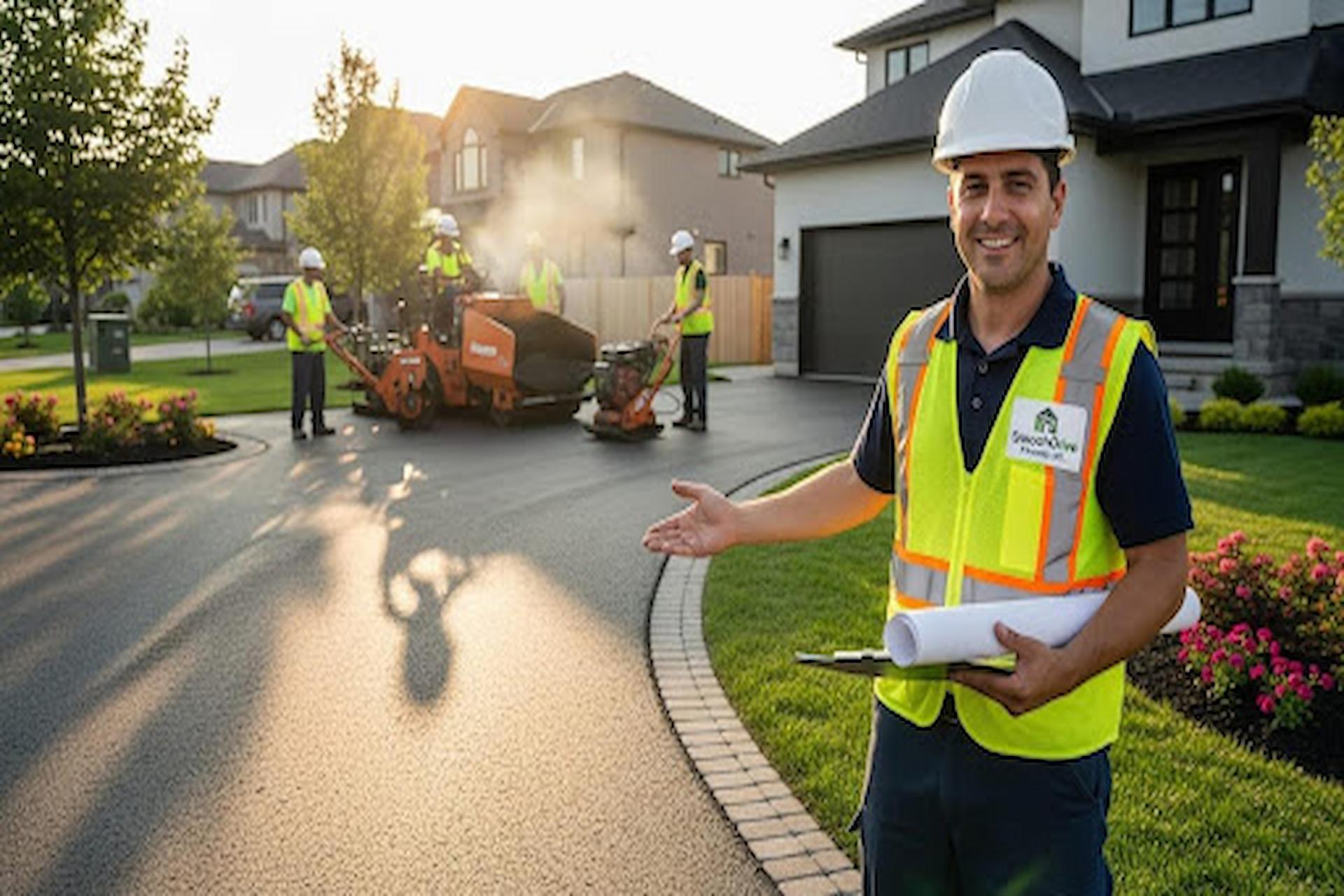
Driveways require strong and durable paving. Contractors design these surfaces to support vehicle weight while maintaining proper drainage.
Patios and Outdoor Living Areas
Patios are one of the most popular home improvement projects in Australia. A paved patio creates a comfortable area for outdoor meals, relaxation, and gatherings.
Garden Paths
Garden pathways guide movement through landscaped areas while protecting grass and plants from foot traffic.
Pool Surrounds
Pool areas need paving that stays cool and safe to walk on. Contractors often recommend materials with slip resistance for these surfaces.
Choosing the Right Materials for Australian Conditions
Selecting the right paving material is important for long-term performance. Experienced paving contractors help homeowners choose materials based on climate, usage, and style.
Concrete Pavers
Concrete pavers are widely used because they are durable and available in many designs. They work well for driveways, paths, and patios.
Natural Stone
Natural stone adds a premium appearance to outdoor spaces. Materials such as sandstone or limestone are often used in Australian landscaping.
Brick Pavers
Brick paving provides a traditional look that suits many residential areas. It also handles temperature changes well.
Porcelain Outdoor Tiles
Porcelain paving has become popular for modern homes. It offers strong resistance to weather and stains while maintaining a clean appearance.
Paving contractors can recommend suitable materials depending on the location and intended use of the paved area.
Planning a Paving Project
A successful paving project begins with good planning. Homeowners often work with paving contractors to outline their ideas before construction begins.
Important planning steps include:
Determining the size and layout of the paved area
Selecting suitable paving materials
Considering drainage and slope
Checking local council guidelines if needed
Planning access routes for installation equipment
Proper planning helps avoid delays and ensures the finished area matches the homeowner’s expectations.
Local Considerations in Australia
Paving work in Australia may be influenced by regional conditions and local council guidelines.
Drainage and Water Flow
Many areas require proper stormwater management. Paving contractors design surfaces with gentle slopes to prevent water pooling.
Soil Movement
Some regions experience soil movement due to moisture changes. Contractors adjust foundation depth and base materials to improve stability.
Outdoor Lifestyle
Australian homes often include large outdoor areas. Paving designs usually connect patios, gardens, and entertainment spaces to create smooth transitions.
Maintenance Tips for Paved Surfaces
After installation, basic maintenance helps paving remain attractive and durable.
Homeowners can follow these simple steps:
Sweep regularly to remove dirt and leaves
Wash the surface occasionally with water
Remove weeds from joints when necessary
Refill joint sand if gaps appear over time
Check drainage areas after heavy rain
Professional paving contractors may also recommend sealing certain materials to improve protection.
Signs You May Need Professional Paving Contractors
Some homeowners attempt paving as a DIY project, but many situations benefit from professional installation.
You may want to contact paving contractors when:
The project covers a large outdoor area
The ground needs excavation or leveling
Drainage design is required
Heavy vehicles will use the surface
Long-term durability is important
Professional work ensures the paving remains stable and visually appealing for many years.
Working With citytile.au for Paving Guidance
Homeowners exploring paving options often begin with research. Platforms like citytile.au help people learn about paving materials, outdoor surfaces, and installation ideas for Australian homes.
Using a trusted resource allows homeowners to:
Understand different paving styles
Compare outdoor design options
Learn about installation processes
Plan improvements before contacting paving contractors
Good preparation helps homeowners communicate their ideas clearly when working with professionals.
Questions and Answers: Common Questions About paving contractors in Australia
Q: How long does a typical paving project take in Australia?
The timeline depends on the size of the project, ground conditions, and weather. Smaller patios or pathways may take only a short period, while large driveways or outdoor areas require more preparation and installation time.
Q: Do paving contractors help with design ideas?
Yes. Many paving contractors assist with layout planning and material selection. They can suggest patterns, colours, and surface types that suit the home and surrounding landscape.
Q: What preparation is required before paving begins?
Preparation usually includes clearing the site, excavating the soil, compacting the base layer, and installing foundation materials. Proper preparation ensures the paving remains stable and even.
Q: Are paving surfaces suitable for Australia’s climate?
When installed correctly, paving performs well in Australian conditions. Professional paving contractors choose materials that handle heat, rain, and outdoor exposure.
Q: How can homeowners maintain paved areas after installation?
Regular cleaning, removing weeds from joints, and checking drainage help keep paving in good condition. Some materials may also benefit from sealing to extend their lifespan.
Conclusion: Your Path to a Successful paving contractors in Australia
Outdoor paving plays an important role in modern home improvement across Australia. From driveways and patios to garden pathways and pool areas, professionally installed paving creates strong, attractive surfaces that improve daily living.
Working with experienced paving contractors helps ensure proper ground preparation, suitable material selection, and long-lasting installation. Contractors understand local conditions such as soil movement, weather exposure, and drainage requirements.