
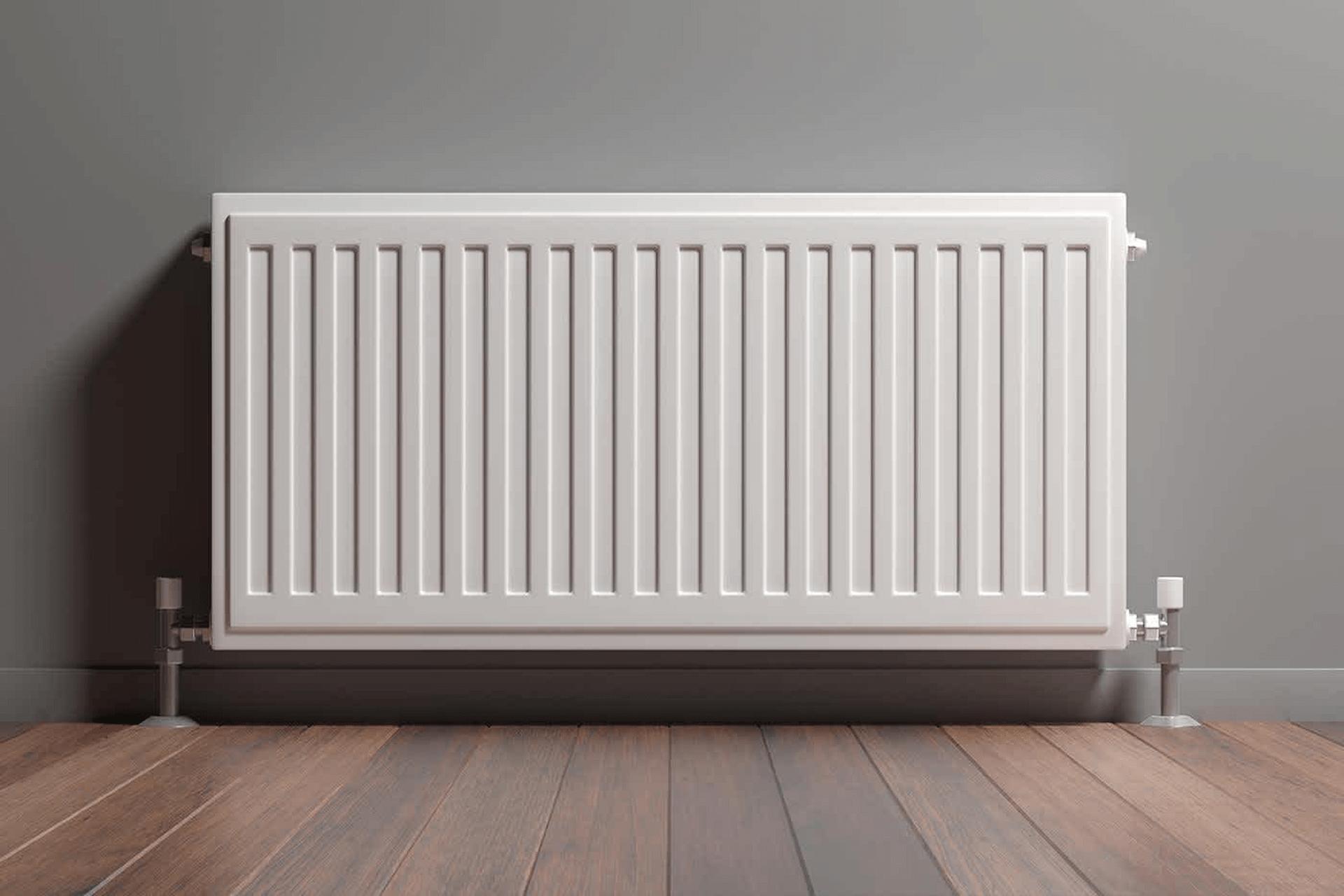
As the chilly British winter sets in, there is nothing quite as frustrating as turning on your central heating only to find that your home remains stubborn and cold. You walk around your property, touch the heating panels, and notice a peculiar symptom: the top section feels hot, but the lower half is completely freezing. This common household dilemma is a clear sign that your central heating system is not operating at peak efficiency. Ignoring this issue does not just mean enduring a colder living room; it also causes your boiler to work significantly harder, driving up your monthly energy bills.
Diagnosing why a specific radiator is failing to heat up evenly is the first step toward restoring warmth to your household. When a heating unit is cold at the bottom, it usually indicates a restriction in the internal flow of hot water rather than a catastrophic failure of the boiler itself. By understanding the mechanical causes behind this imbalance, homeowners can often resolve the issue themselves without calling out an expensive emergency heating engineer. This comprehensive guide will walk you through the primary culprits, the exact steps needed to fix them, and how to prevent the problem from returning.
The Primary Culprit: Central Heating Sludge
The most frequent cause of a heating panel that remains cold at its base is the accumulation of central heating sludge. Over months and years of constant operation, the internal iron components of your pipes and heating units react with the oxygen in the water. This chemical reaction leads to rust, which gradually flakes off and mixes with water to form a thick, black, muddy substance known as iron oxide.
Because this debris is much heavier than water, it naturally settles at the lowest point of the circuit. Over time, this thick sludge builds up inside the bottom of the radiator, creating a physical barrier that prevents hot water from circulating through the lower channels. The hot water entering from the valves can only pass through the top section, leaving the lower half completely starved of thermal energy.
Signs That Sludge Has Accumulated
If you suspect that iron oxide debris is restricting your heating system, look out for these common secondary symptoms:
- The boiler makes unusual clunking or kettling noises when running.
- Certain rooms take significantly longer to heat up than they used to.
- The water that escapes when you bleed the system appears dark or completely black.
- The heat is distributed unevenly across multiple heating units in the property.
- The system requires frequent bleeding to remove trapped air pockets.
Step-by-Step Guide to Removing Internal Sludge
If a build-up of black sludge is indeed the reason your heating panel is cold at the bottom, the unit will need to be physically flushed out. While this might sound like a major task, it is entirely manageable for a competent DIY enthusiast with a few basic tools.
Preparing for the Flush
Before you begin disconnecting any pipework, you must gather the correct equipment to protect your home from dirty water. You will need two adjustable wrenches, a radiator bleed key, a couple of old towels, some plastic sheeting, and a large bucket or a shallow tray to catch the liquid. Turn off your central heating completely and allow the entire system to cool down for at least an hour to prevent any risk of scalding.
Draining and Cleaning the Unit
Once the system is cold, follow these precise steps to clear the internal blockages:
- Close the valves at both ends of the unit by turning the thermostatic valve to zero and the lockshield valve clockwise.
- Place your shallow tray directly beneath the manual control valve to catch any escaping water.
- Use your adjustable wrenches to loosen the nut connecting the valve to the heating panel, cracking it open slowly.
- Open the bleed valve at the top of the unit using your bleed key to allow air in, which accelerates the draining process.
- Once the unit is empty, disconnect the opposite valve and carefully lift the panel off its wall mounting brackets.
- Take the heavy panel outside to a garden area, attach a hosepipe to one of the valve entries, and turn on the water tap.
- Flush the clean water through the unit until the liquid running out of the opposite end changes from thick black mud to crystal clear.
Balancing Your Central Heating Circuit
Sometimes, a cold base is not caused by dirt at all, but rather by an issue with system balancing. In larger properties, hot water naturally takes the path of least resistance. If the system is unbalanced, the units closest to the boiler will steal the vast majority of the hot water flow, leaving the furthest panels struggling to warm up properly, often resulting in cold spots at the bottom or sides.
Balancing involves adjusting the lockshield valves across your entire property to ensure that an equal volume of hot water reaches every room simultaneously. This process requires a digital thermometer to measure the temperature differential between the flow and return pipes on each panel.
The Balancing Process Explained
To balance your home heating effectively, you should follow this structured sequence:
- Turn off the heating completely and allow all panels to cool down to room temperature.
- Open every single valve in the house, including both the thermostatic heads and the lockshield caps, by turning them fully counter-clockwise.
- Turn the central heating back on and note down the exact order in which the individual units begin to warm up.
- Go to the panel that warmed up first, which is typically the one closest to the boiler, and turn its lockshield valve fully clockwise until it closes.
- Open that specific lockshield valve by just a quarter-turn, restricting the flow slightly to force hot water further down the loop.
- Move to the next unit on your list and open its lockshield valve roughly half a turn, repeating this incremental opening process until you reach the furthest panel, which should have its lockshield valve fully open.
Long-Term Preventive Maintenance
After successfully restoring even heat distribution to your home, you will want to ensure the issue does not arise again in the future. Implementing a few preventive measures will safeguard your boiler and pipework, extending the lifespan of your entire central heating setup.
Essential Protection Measures
To keep your central heating water clean and flowing freely, consider introducing the following protective elements:
- Chemical Inhibitor: Regularly add a high-quality chemical inhibitor to the system water to slow down the internal rusting process.
- Magnetic Sludge Filter: Install a magnetic filter on the return pipework near the boiler to continuously capture iron oxide particles before they settle.
- Annual Boiler Service: Schedule a professional service every twelve months to ensure the pump pressure and water cleanliness are verified.
- System Powerflush: For severely affected homes, hire a Gas Safe registered engineer to perform a high-pressure chemical powerflush.
Restore Your Warmth
Cold heating panels are usually caused by trapped metallic sludge or poor water distribution rather than a broken boiler. By flushing out old iron oxide deposits and properly balancing your lockshield valves, you can easily restore full thermal efficiency to your household. These straightforward maintenance tasks improve home comfort, lower your carbon footprint, and prevent expensive utility bills. Taking proactive care of your central heating today ensures your property remains safe, warm, and highly energy-efficient throughout the coldest months of the year.