Ever had water stall and hear your kitchen tap gurgle? The usual suspect is Blocked drains that demand quick action, and I’ll walk you through why they happen, what you can test yourself, which tools pros use, and how to keep things dry. Doncaster’s leafy suburbs are packed with 1990s homes that still run on clay‑based pipes, which love to hug tree roots. So those local quirks can turn a simple clog into a night‑time nightmare. Why does a plunger often fail, and why is a licensed plumber with CCTV usually the safest bet? By the time you finish reading, you’ll be spotting early warning signs, skipping the wrong chemicals. And setting up a seasonal maintenance plan without breaking a sweat, keeping the house comfortable.
Understanding Common Causes of Blocked Drains
Everyday stuff – hair, food bits, toilet paper – gets stuck in sinks and builds up over months. a situation that often leads to blocked drains if left unchecked. In Victoria, winter rains soak the garden soil and drive tree roots down into the underground pipes, so you get classic root intrusion that chokes the main line. And when the clog shows up you’ll notice a slow‑draining sink or a bubbling toilet, a sign air’s being forced through a tight spot. So Doncaster residents also need to watch out for hard‑water deposits lining PVC pipes, cutting the pipe’s diameter and inviting more buildup.
Grease is a sneaky culprit; once it cools it hardens and clings to pipe walls, turning a smooth conduit into a sticky trap for food bits and sludge. Most commercial kitchens in the area have grease traps, but the average home kitchen doesn’t, so after a few months of frying bacon you’ll see the same gunk. It gets messy fast on weekends. If you never rinse the pipe with hot water, a stubborn film builds up that regular chemicals can’t bite, and you’ll end up calling a plumber for mechanical removal. And when Melbourne’s storms hit, gutters dump a load of leaves and grit into stormwater drains, flooding the system locally.
Diagnosing Blocked Drains: How to Spot the Problem
Ever wonder why one tap drips while the shower runs fine? Start by checking each fixture individually; a sink that drains slowly while the shower works fine points to a localized line, whereas a bathroom that backs up after flushing indicates a main‑line issue, a condition that can cause blocked drains throughout the house. Grab a clear bucket, dump water into the floor drain and watch for any backflow, if it rises, the jam sits downstream of where you poured. A sour whiff after a rainstorm usually screams that stormwater is sneaking into the sewer through a cracked pipe under the driveway. And a cheap inspection camera, you can find one for under $30 at any hardware store. Lets you peek inside the pipe without calling a pro.
Ever notice the clog getting worse after dinner? When you suspect a deeper problem, it’s worth noting the time of day the symptoms appear; many residents report that blocked drains become more pronounced during the evening when the household’s water usage peaks. That timing clue helps a plumber decide whether the blockage lives inside your walls or out in the Manningham‑run storm network. If the jam is confined to a single branch, a hand‑held auger often clears it, but a full‑line stalemate usually needs a high‑pressure jet to pulverise the grease and roots. And skip the harsh chemicals, they chew up the 2000‑era cast‑iron pipes, and pouring bleach just makes it worse.
DIY Diagnosis and Early Intervention
Got a slow drain? Try a quick DIY fix before you call anyone: first, pour half a cup of baking soda into the trap, then chase it with a litre of boiling water, wait ten minutes, and finish with a splash of cold water to see if the flow picks up, a simple test that can prevent blocked drains from becoming severe. The fizz tackles grease and soap scum. But it won’t melt roots or mineral crusts, so you’ll need a 15‑metre plumber’s snake to reach the bend where old houses stash debris. And always wear gloves and eye protection because the stuff can be sharp and messy.
Can you spot the clean‑out valve? It’s usually a white or brass cap tucked near the wall’s edge. And opening it lets water surge back through the main line, showing the blockage sits past the internal fixtures. In many Doncaster homes a separate storm‑water clean‑out handles garden runoff, so clearing it stops surface water from pooling on driveways after a heavy downpour. When you know exactly where the jam lives, you can give the plumber a precise brief, which saves time and cuts down on repeat service calls. And remember to shut the valve back up tightly to avoid leaks.
When to Call a Professional Drain Cleaning Service
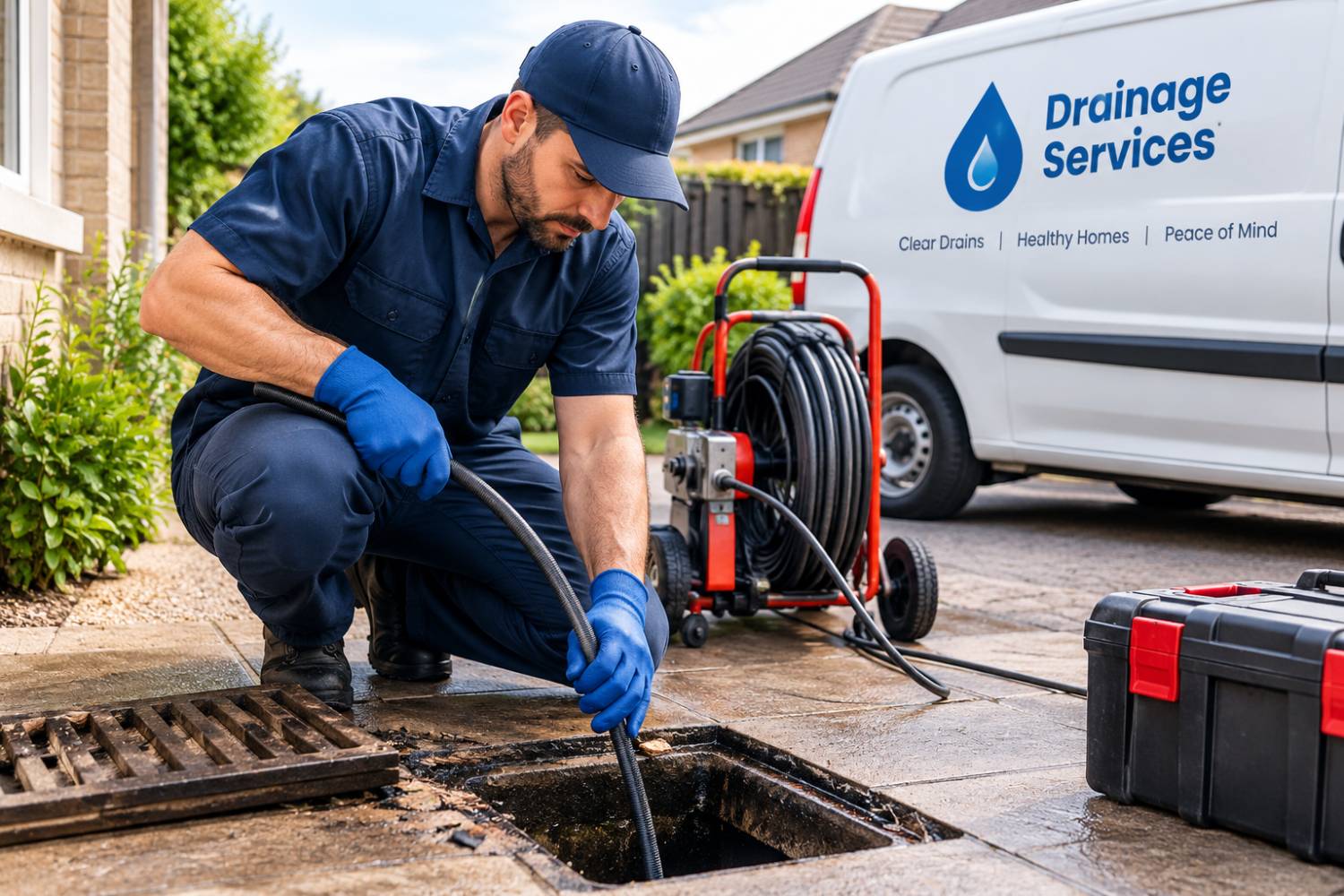
If your tub fills up while the shower’s still running, you know the main line is blocked. That’s a dead‑give that the main line’s clogged beyond a DIY snake’s reach, a classic sign of blocked drains demanding professional attention. You’ll have to call a licensed plumber who brings a CCTV camera to the job. They’ll stream the video straight to your phone, letting you spot a collapsed pipe, root intrusion or heavy mineral build‑up without guessing. Ever seen a pipe collapse on camera?
When a toilet overflows into the kitchen, you need a fix fast. Most Melbourne drain‑cleaners can be at your door within 24 hours, and they usually shut the main water valve while they work, so water doesn’t keep spilling. Speed matters. Ask whether they combine CCTV inspection with high‑pressure jetting, because that combo clears the blockage and leaves the pipe solid. A good crew will hand you a written report, which is handy if you’ve to claim insurance for water damage, does that sound like the service you’d want?
Modern Technologies: CCTV Inspection and High‑Pressure Jetting
CCTV cameras are now the go‑to tool for spotting blocked drains, because they slip around bends and stream live footage. Imagine watching the mess on a tablet instead of tearing up your backyard. The live feed can instantly flag cracks, misalignments or invading roots, letting a plumber decide whether to cut a trench or just spray a sealant. And the 1080p detail even shows a greasy film versus a genuine structural fault. Doncaster residents swear by it, it’s fast, barely invasive and leaves lawns pristine.
High‑pressure jetting blasts water at up to 200 bar, tearing through stubborn build‑up. The machine can be dialed back to protect fresh PVC while still gobbling old cast‑iron, so you don’t risk a new leak while cleaning the old one. And when you pair that with a CCTV survey, the system homes in on the exact blockage, slashing water use and keeping the pipe happy. After a heavy rain, the fine sand and silt are flushed out, which means stormwater keeps flowing all year, sounds like the fix you need?
Preventive Maintenance Schedule for Australian Homes
Ever noticed a sluggish drain after a big rain? If you want blocked drains out of sight, set up a quarterly check‑up that flushes taps with water and watches for slow flow after heavy rain. When spring hits, before you jump in a warm shower, dump an enzyme cleaner that eats organic grime but leaves the pipes alone. Once the wet season ends, do the same in autumn so the system stays clear, helping to avoid blocked drains during seasonal changes. And don’t forget to skim gutters and downspouts often because leaf litter loves slipping into the stormwater network and can cause blockages.
Don’t dump oil or coffee grounds into the kitchen sink. But a quick coffee grounds will harden, cling to pipe walls and turn into a blockage no regular tools can tackle. Got a garden full of mature trees? If you add root barriers or swap in softer‑root plants like ornamental grasses, your underground plumbing stays safer. Keep a simple log of every fix, noting dates and products, so patterns pop up and you’ve got proof for any warranty claim. All of this helps avoid blocked drains and saves you hassle later.
Legal and Insurance Considerations for Homeowners
In Victoria the backyard handles the house plumbing, while the council watches the street‑side stormwater pipes. When a blockage backs up onto the road, you’ll end up calling both the council and the homeowner to sort it out. If water starts leaking, most insurers will cover the repair, provided you can prove you’ve been keeping up with maintenance, which is why a written log is handy. Have you looked at your policy’s exclusions lately? Some insurers won’t pay for damage that stems from skipping regular pipe cleaning, so a quick check can save you a nasty surprise.
What happens when you rent out a place? When you rent out a place, the lease normally says the landlord has to fix blocked drains fast, but tenants must also keep blocked drains free of junk and report problems early. If they ignore it, mold can show up, creating health risks and even breaching the Residential Tenancies Act. So calling a licensed plumber right away not only protects the building but also proves you’re obeying the law, slashing the chance of a dispute.
Conclusion
Blocked drains are a common nuisance in Doncaster homes, but with a clear diagnosis, appropriate DIY steps, and timely professional help, they can be fixed quickly and safely. Knowing the local soil, aging pipe material and the fickle weather lets you spot trouble before it blows up. And a simple routine, enzyme cleaners and a service log, keeps your home’s value and your family’s health intact. So when a stubborn clog outsmarts your usual tools, a qualified plumber with CCTV and high‑pressure jetting will restore flow and give you peace of mind. Ever wonder how fast a tiny blockage can become a flood?