A gas water heater is one of those household appliances that rarely receives attention until something goes wrong. It quietly provides hot water for showers, cleaning, laundry, and other daily activities. However, minor performance issues can gradually develop into serious plumbing emergencies when homeowners overlook early warning signs. A small leak, unusual noise, or inconsistent water temperature might seem harmless initially, but these problems can eventually cause expensive repairs, property damage, or safety hazards.
Understanding common water heater problems and recognizing when professional assistance is necessary can help homeowners avoid unexpected disruptions.
Minor Water Leaks Can Cause Significant Property Damage
A few drops of water around a gas water heater might not seem concerning. However, even a small leak can indicate deteriorating connections, damaged valves, or corrosion inside the tank. Over time, continuous moisture can damage flooring, walls, and nearby household materials.
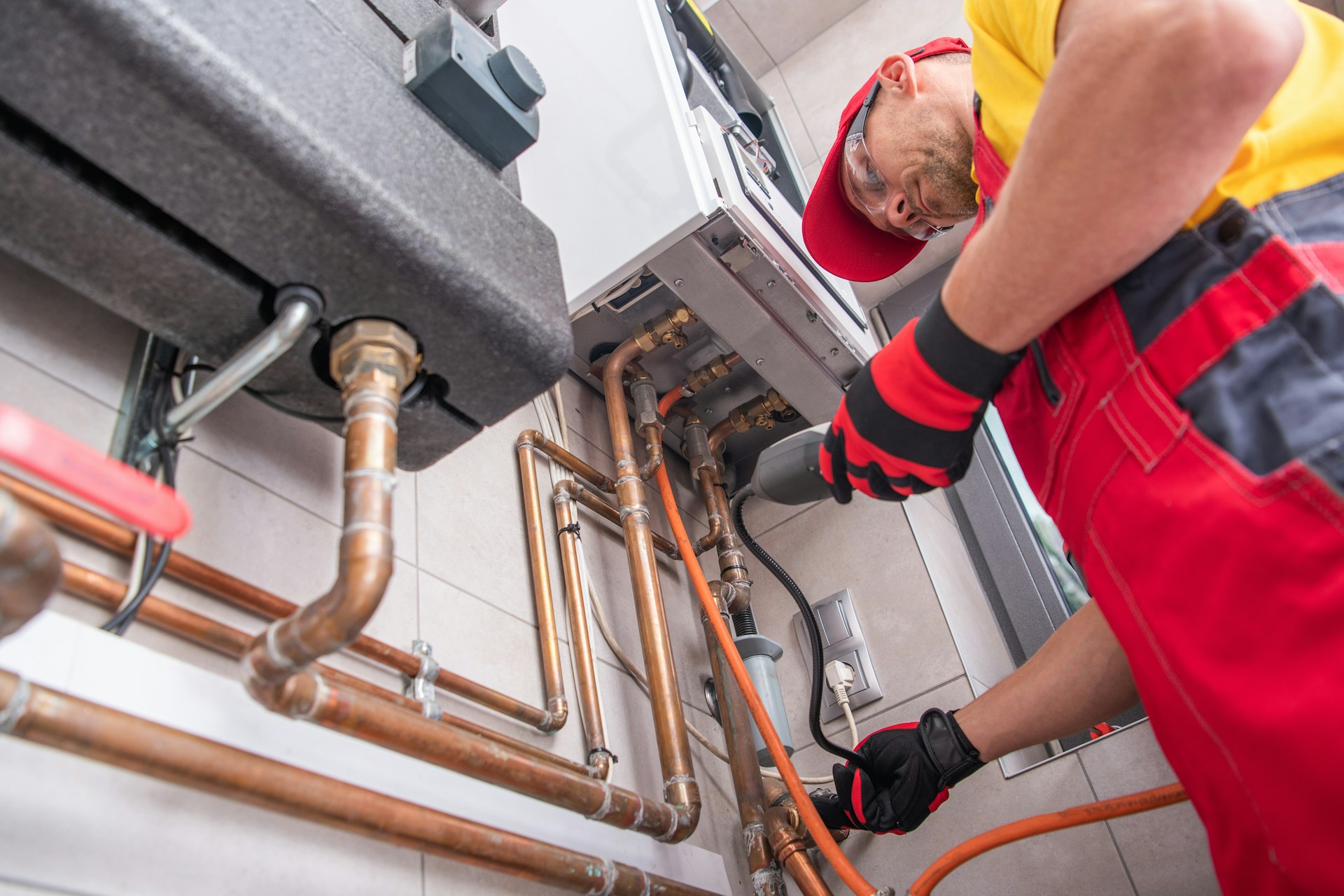
Homeowners searching for Gas Water Heater Repair Houston services often encounter problems that could have been addressed earlier through routine inspections. Professional plumbers can identify whether moisture originates from loose fittings, faulty components, or a deteriorating tank.
Ignoring these warning signs increases the possibility of substantial water damage. Addressing leaks promptly helps protect surrounding structures and prevents minor plumbing concerns from becoming expensive restoration projects.
Unusual Noises May Indicate Sediment Accumulation
Popping, rumbling, or knocking sounds coming from a gas water heater often indicate sediment collecting at the bottom of the tank. Minerals naturally present in water gradually settle inside the appliance, creating deposits that interfere with normal heating.
As sediment accumulates, the burner must work harder to heat the water effectively. This additional strain can reduce efficiency and contribute to overheating, premature component deterioration, and increased energy consumption.
Regular maintenance, including appropriate tank flushing when recommended by the manufacturer, can help control sediment buildup. However, persistent noises should be evaluated professionally because they may indicate additional mechanical problems.
Fluctuating Water Temperatures Can Signal Component Failure
Inconsistent hot water is another common warning sign that homeowners frequently overlook. Water that suddenly becomes cold or excessively hot may indicate problems with temperature controls, burner operation, or other internal components.
These fluctuations can make everyday activities uncomfortable and potentially create scalding hazards. Temperature regulation problems may also indicate that the appliance is operating outside its intended conditions.
A qualified technician can inspect the heating system, evaluate temperature settings, and determine whether individual components require repair or replacement. Early attention can prevent complete loss of hot water during inconvenient situations.
Pilot Light Problems Should Never Be Ignored
Gas water heaters depend on properly functioning ignition and combustion systems. When a pilot light repeatedly goes out, the underlying cause may involve a faulty thermocouple, inadequate combustion air, or problems with the gas supply.
Repeatedly attempting to relight the appliance without understanding the cause can create unnecessary safety risks. Gas connections, ignition components, and combustion systems require careful inspection by trained professionals.
If homeowners notice a gas odor, they should leave the property immediately, avoid operating electrical switches or ignition sources, and contact the gas utility or emergency services from a safe location.
Corrosion Can Weaken the Water Heater Tank
Rust around fittings, discolored hot water, or visible corrosion on the tank may indicate deteriorating internal or external components. Although some corrosion develops gradually, its consequences can become serious when the tank loses structural integrity.
A severely corroded tank may eventually leak substantial amounts of water, damaging nearby belongings and building materials. Internal corrosion generally cannot be corrected through simple surface repairs.
Professional inspections can help determine whether replacing an anode rod, repairing external connections, or installing a new water heater is the most appropriate solution.
Pressure Problems Can Create Dangerous Conditions
Gas water heaters operate within specific temperature and pressure limits. Excessive pressure may result from thermal expansion, malfunctioning controls, or other plumbing system issues.
The temperature and pressure relief valve is an important safety component designed to release water when unsafe conditions develop. A leaking or frequently discharging valve should never be ignored, blocked, or capped.
Professional plumbers can evaluate pressure conditions, inspect safety components, and recommend appropriate corrective measures. Proper maintenance helps reduce the risk of equipment failure and potentially dangerous pressure buildup.
Preventive Maintenance Helps Avoid Unexpected Emergencies
One of the best methods to spot emerging issues with water heaters is via routine inspections. Checking visible connections, monitoring performance changes, and scheduling professional maintenance can help extend the appliance’s useful life.
Homeowners should also keep the surrounding area clear, maintain adequate ventilation, and follow manufacturer recommendations. Qualified professionals should handle repairs involving gas connections, combustion components, or safety controls.
Conclusion
Small gas water heater problems rarely disappear without attention. Minor leaks, unusual sounds, temperature fluctuations, corrosion, and ignition failures can gradually develop into serious plumbing emergencies. Recognizing warning signs and arranging timely professional repairs can protect property, improve appliance reliability, and reduce unexpected expenses. Consistent maintenance and responsible operation are essential for keeping a household’s hot water system safe and dependable.