Unexpected freezes can cause serious damage to residential plumbing systems, even in areas that rarely experience prolonged cold. Many homeowners underestimate how quickly freezing temperatures affect pipes. In reality, brief freezes can lead to pipe repair situations that escalate fast and cause costly property damage. Understanding what happens inside pipes during freezing conditions helps homeowners act early and reduce risk.
Homes in moderate climates are often less prepared for sudden temperature drops. Plumbing systems may run through exterior walls, attics, or crawl spaces with limited insulation. During sudden cold snaps, brief freezes can lead to pipe repair needs because pipes are exposed without adequate protection. Awareness and preparation are critical during these conditions.
What Happens Inside Pipes When Water Freezes
Water behaves differently when it freezes. As temperatures drop, water expands by approximately nine to ten percent. Pipes are not designed to accommodate this expansion. The growing ice mass creates intense internal pressure along the pipe walls.
This pressure can reach thousands of pounds per square inch. Most residential plumbing materials cannot withstand that force. Contrary to popular belief, pipes often do not burst at the coldest moment. Damage usually occurs when thawing begins, and water starts flowing through weakened sections.
Why Unexpected Freezing Is Especially Dangerous
Sudden freezes are more dangerous than prolonged cold spells. Homeowners may not take protective steps when freezing weather is brief or unexpected. Pipes in basements, attics, garages, and exterior walls are especially vulnerable during these events.
Even modern homes are not immune. Gaps in insulation, air leaks, or poor pipe placement can expose plumbing to cold air. Without heat circulation or insulation, pipes freeze faster than many expect. This makes sudden temperature drops particularly risky.
Immediate Effects of Pipe Freezing
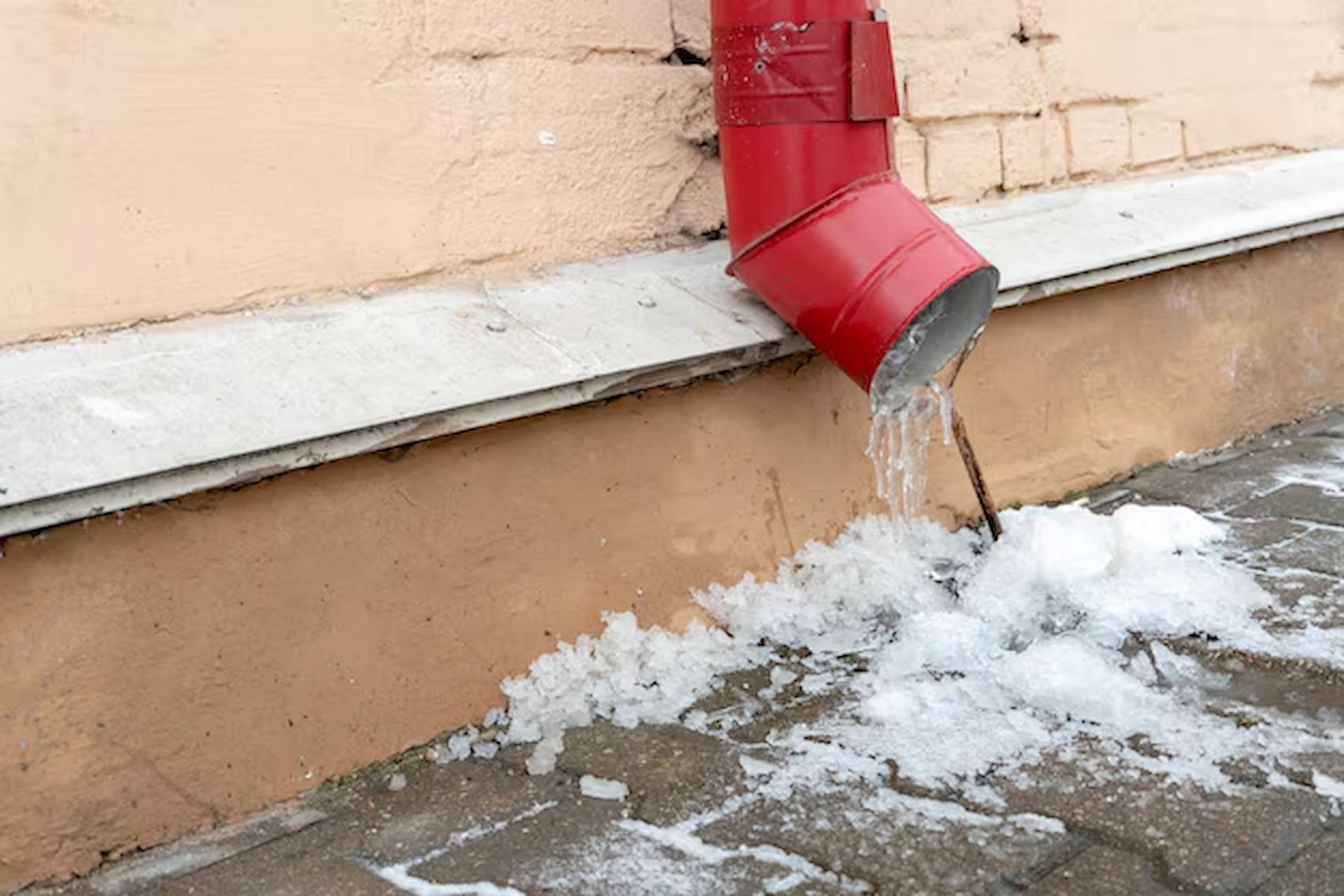
When pipes freeze, water flow often slows or stops completely. Faucets may produce little water or none at all. This blockage is caused by ice forming inside the pipe, restricting its movement.
Homeowners may also hear unusual sounds. Gurgling, whistling, or creaking noises can occur as water and ice interact inside the plumbing. These sounds often signal internal stress. Although the pipe may appear intact, hidden cracks often form during this stage.
When Pipes Burst and Why They Happen Later
Pipes rarely burst while fully frozen. The most dangerous moment occurs during thawing. As ice melts, water pressure returns quickly, forcing water through weakened sections. This is when fractures open.
A single pipe break can release hundreds of gallons of water in minutes. Flooding spreads rapidly through walls, floors, and ceilings. By the time the leak is discovered, damage is often extensive and expensive to repair.
Common Property Damage Caused by Burst Pipes
Burst pipes cause immediate and long-term property damage. Water soaks drywall, insulation, and flooring. Ceilings may collapse under the weight of trapped moisture. Wooden structures can warp and weaken.
Mold growth can begin within twenty-four to forty-eight hours if moisture remains. Damp conditions also affect electrical wiring, creating safety hazards. Indoor air quality may decline as mold spores and damp odors spread throughout the home.
Early Warning Signs of Freezing Pipes
Frozen pipes often give warning signs before bursting. Reduced water flow from faucets is one of the earliest indicators. In some cases, only a trickle appears.
Visible frost or condensation on exposed pipes is another clear sign. Strange sounds, such as banging or creaking, during cold weather, also suggest internal stress. These warnings should never be ignored, especially during sudden temperature drops.
Preventive Measures to Avoid Freeze Damage
Preventing frozen pipes starts with insulation. Exposed plumbing in basements, attics, garages, and crawl spaces should be insulated properly. Pipe sleeves or foam insulation are effective and affordable.
During freezing conditions, allowing faucets to drip slightly helps keep water moving. Maintaining indoor temperatures at or above fifty-five degrees Fahrenheit is essential, even when away. Heat tape or electric pipe warmers can protect highly exposed plumbing runs.
What to Do If Pipes Freeze
If a pipe freezes, act carefully and quickly. Keep the affected faucet open to relieve pressure as ice begins to melt. Apply gentle heat using a hairdryer or space heater, starting near the faucet and moving inward.
Never use open flames or high heat sources. These methods increase fire risk and can further damage pipes. If you suspect cracking or leakage, contact a professional plumber immediately to assess and repair the system safely.
Long-Term Protection and Best Practices
Long-term protection reduces future freeze risk. Seal drafts around walls, foundations, and plumbing access points. Cold air infiltration is a common cause of pipe freezing.
Schedule winter inspections before temperatures drop. These inspections identify vulnerable plumbing areas early. Smart temperature sensors can also alert homeowners to sudden drops, allowing quick action before damage occurs.
Conclusion
Unexpected freezes place enormous stress on residential plumbing systems. Water expansion inside pipes creates pressure that leads to cracking and sudden bursts during thawing. The resulting damage can be severe and costly. Understanding the warning signs and taking preventive steps greatly reduces risk. Insulation, proper heating, and early response make a critical difference. With preparation and timely action, homeowners can protect their pipes, property, and peace of mind during sudden cold weather events.