
When humidity levels rise, and the summer sun beats down on your roof, your air conditioning system becomes the most important appliance in your home. For many homeowners, the cooling system is a “set it and forget it” piece of equipment, but neglecting its basic needs can lead to unexpected breakdowns during the hottest week of the year. Understanding how your system operates and identifying small warning signs early can save you from a major headache. If you find that your vents are blowing lukewarm air or the unit is making strange grinding sounds, it might be time to look for professional AC repair in Maumee, OH, to ensure your home remains a comfortable sanctuary.
Identifying Common Air Conditioning Red Flags
Most AC failures don’t happen overnight; they usually provide subtle hints before a total shutdown occurs. One of the most common signs of trouble is inconsistent cooling. If one room feels like an icebox while another remains stuffy and warm, your system is likely struggling with airflow or a failing compressor. You should also pay close attention to the sounds your unit makes. While a gentle hum is normal, any banging, squealing, or clicking noises usually indicate a mechanical issue that needs immediate attention. Ignoring these sounds can lead to more extensive damage to the internal motor or fan blades.
The Critical Role of Air Filters
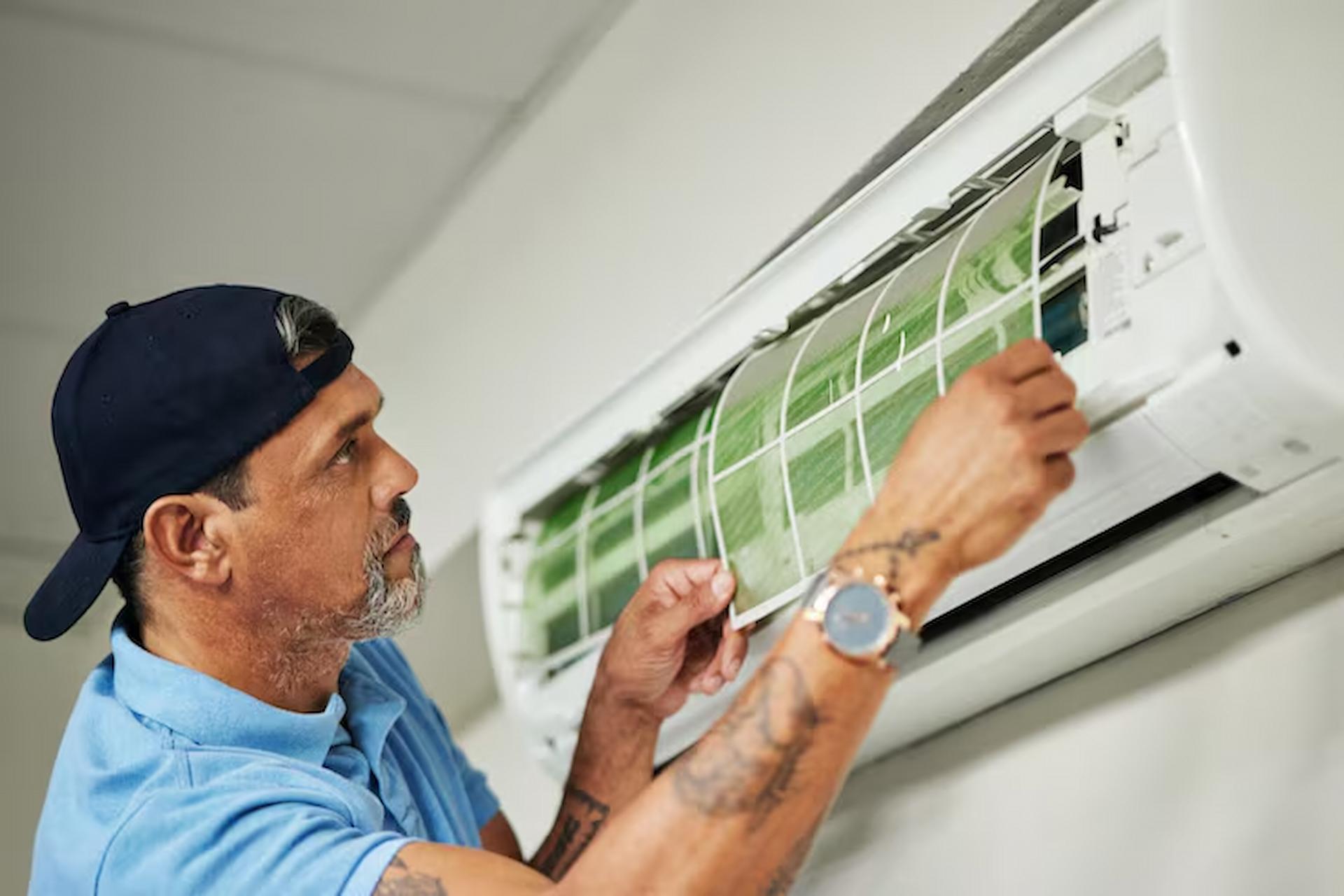
Perhaps the simplest yet most overlooked aspect of home maintenance is the air filter. A dirty or clogged filter restricts airflow, forcing the system to work twice as hard to move air through your home. This extra strain leads to higher energy bills and can eventually cause the evaporator coils to freeze over. In a climate where summer storms can kick up pollen and dust, checking your filters every 30 days is a best practice. If you notice that your cooling efficiency has dropped significantly, scheduling a professional inspection for AC repair in Maumee, OH, can help determine if a clogged filter has caused secondary damage to the internal components.
Cleaning the Outdoor Condenser Unit
The outdoor portion of your AC system, known as the condenser, is responsible for releasing the heat collected from inside your home. Because it sits outside year-round, it is susceptible to dirt, grass clippings, and falling leaves. When the aluminum fins on the condenser become blocked, the heat transfer process is hindered, making the entire system inefficient. Homeowners should maintain at least two feet of clear space around the unit. Gently spraying the exterior with a garden hose can remove surface grime, but be careful not to use high pressure, as it can bend the delicate fins and further restrict airflow.
Managing Thermostat Settings and Sensors
Sometimes, the issue isn’t with the cooling unit itself, but with the thermostat telling it what to do. If your AC is cycling on and off too frequently—a process known as short-cycling—it could be due to a miscalibrated thermostat or a sensor placed too close to a heat source, such as a sunny window or a kitchen appliance.
Checking the Batteries and Connections
Before assuming the worst about your mechanical equipment, check the basics. Ensure your thermostat has fresh batteries and that the wiring hasn’t become loose over time. A thermostat that isn’t communicating correctly with the furnace or air handler will result in erratic cooling cycles and unnecessary wear and tear on the system’s start-up components.
Preventing Frozen Evaporator Coils
It might seem counterintuitive for an air conditioner to freeze up during a heatwave, but it happens more often than you’d think. Frozen coils are usually the result of two things: restricted airflow or low refrigerant levels. When air can’t move over the coils, the refrigerant inside them gets too cold, causing moisture in the air to turn into ice on the unit’s surface. If you see ice buildup on the copper lines leading to your unit, turn the system off immediately. Running an AC with frozen coils can cause the compressor to fail, which is one of the most expensive repairs a homeowner can face.
The Value of Professional Seasonal Tune-Ups
While DIY maintenance goes a long way, there is no substitute for a professional eyes-on inspection. An experienced technician can check refrigerant pressures, test electrical capacitors, and clean the condensate drain line—a common source of water leaks and mold growth. Routine maintenance not only keeps your utility costs low but also ensures that your manufacturer’s warranty remains valid. Taking a proactive approach allows you to address minor wear and tear before it evolves into an emergency mid-summer breakdown.
Conclusion
Maintaining a cool and comfortable home is a combination of regular homeowner tasks and professional expertise. By staying vigilant about filter changes, keeping the outdoor area clear, and listening for unusual noises, you can significantly extend the life of your cooling system. A little attention during the spring and summer months helps keep your home refreshing and your energy costs manageable.