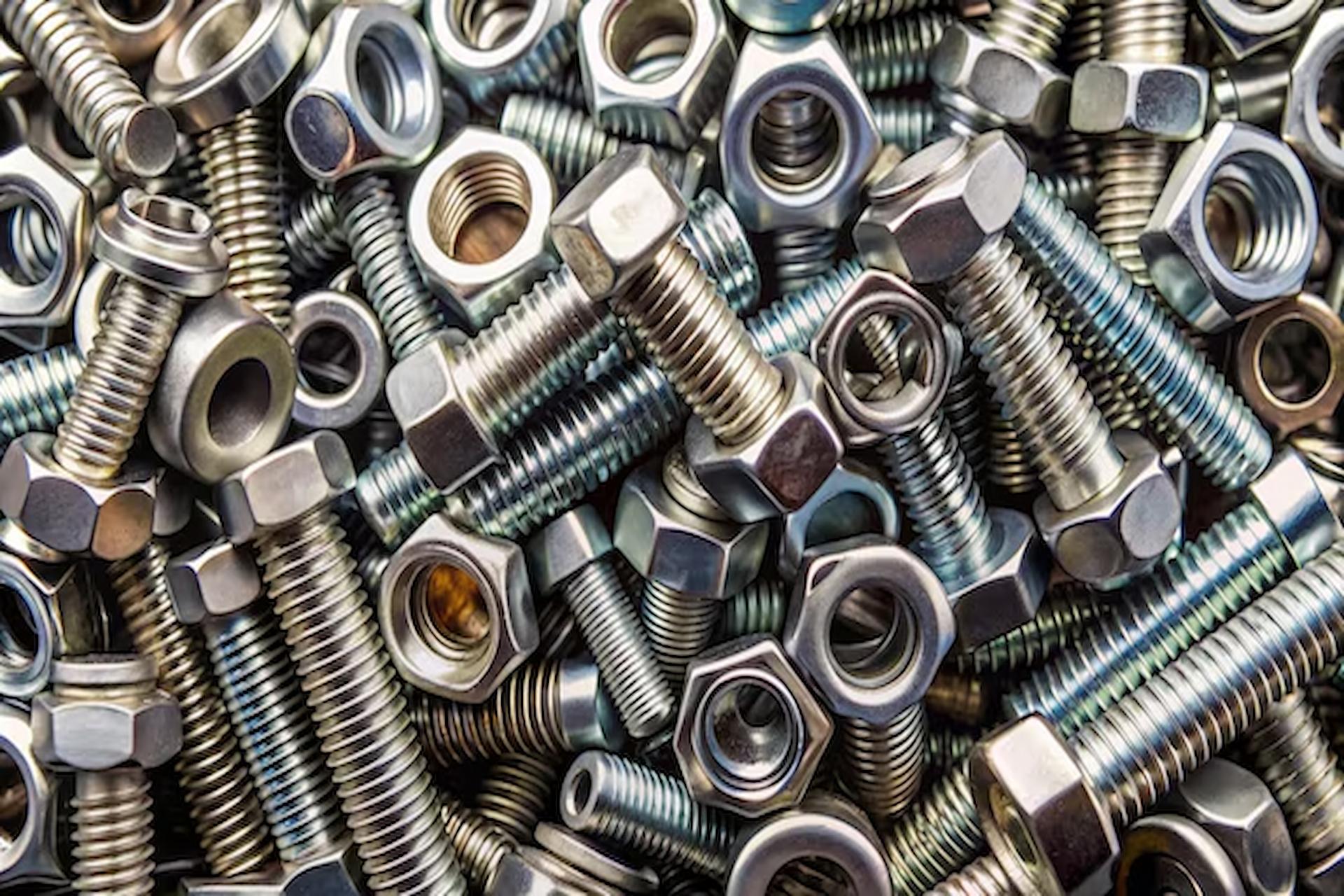
Have you ever stood in the hardware aisle, completely overwhelmed by the sheer variety of bolts staring back at you? Do you find yourself wondering whether that hex bolt will actually hold up in your outdoor project, or if you’ve picked the right grade for your construction job? You’re definitely not alone.
Choosing the right bolt might seem like a small detail, but it can make or break your entire project. The wrong bolt can lead to structural failures, corrosion problems, or simply a job that doesn’t stand the test of time. Whether you’re a seasoned tradesperson or a weekend DIY enthusiast, understanding bolt basics is absolutely key to getting your project right the first time.
In this guide, we’ll walk you through everything you need to know about selecting the perfect bolt for any application. From understanding the difference between bolts and screws to picking the right material for harsh Australian conditions, we’ve got you covered. By the end, you’ll have the confidence to choose bolts that are strong, durable, and fit for purpose. Let’s get stuck into it.
Understanding Bolt Basics
What Are Bolts and How Do They Work?
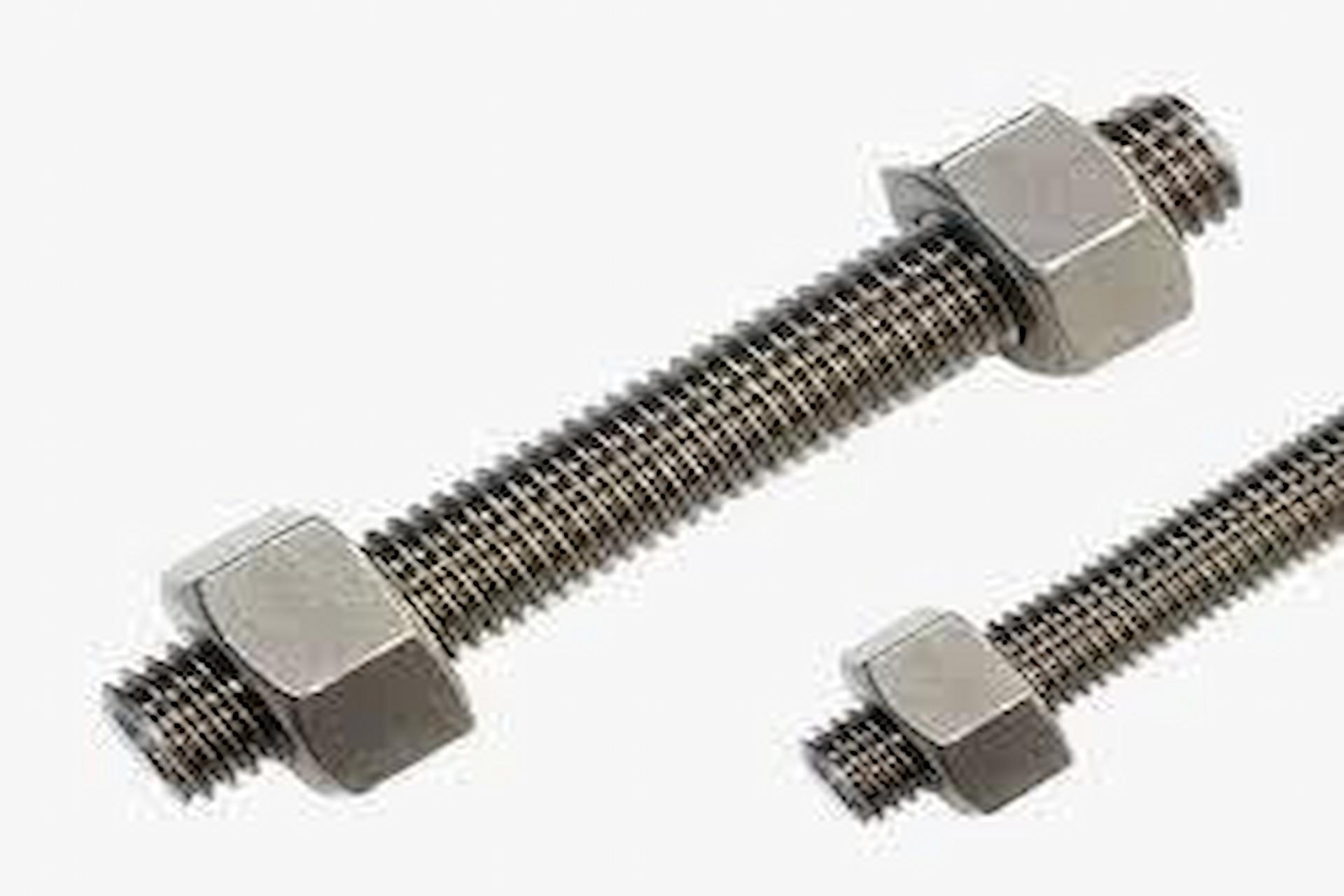
At their core, bolts are threaded fasteners designed to hold two or more components together. They work by passing through aligned holes in the materials being joined, then securing with a nut on the opposite end. This creates a clamping force that holds everything tightly in place.
The threading on a bolt is what gives it its holding power. As you tighten the nut, the threads grip and create tension, pulling the joined materials firmly together. This mechanical advantage makes bolts incredibly strong and reliable for both temporary and permanent connections.
Bolts vs Screws vs Fasteners: What’s the Difference?
People often use these terms interchangeably, but there are important distinctions. Bolts typically require a nut to secure them, while screws thread directly into the material itself. Fasteners is simply an umbrella term that covers bolts nsw, screws, nails, and other hardware used to join materials.
The key difference lies in application. Screws create their own threads in softer materials like wood, whereas bolts pass through pre-drilled holes and rely on nuts for clamping. Understanding this distinction helps you choose the right fastener for your specific needs.
Key Bolt Terminology You Need to Know
Before diving deeper, let’s cover some essential terms. The shank is the smooth, unthreaded portion of the bolt. The head is the top part you grip with a wrench or socket. Thread pitch refers to the distance between threads, and tensile strength indicates how much pulling force a bolt can withstand before breaking.
Types of Bolts and Their Uses
Hex Bolts
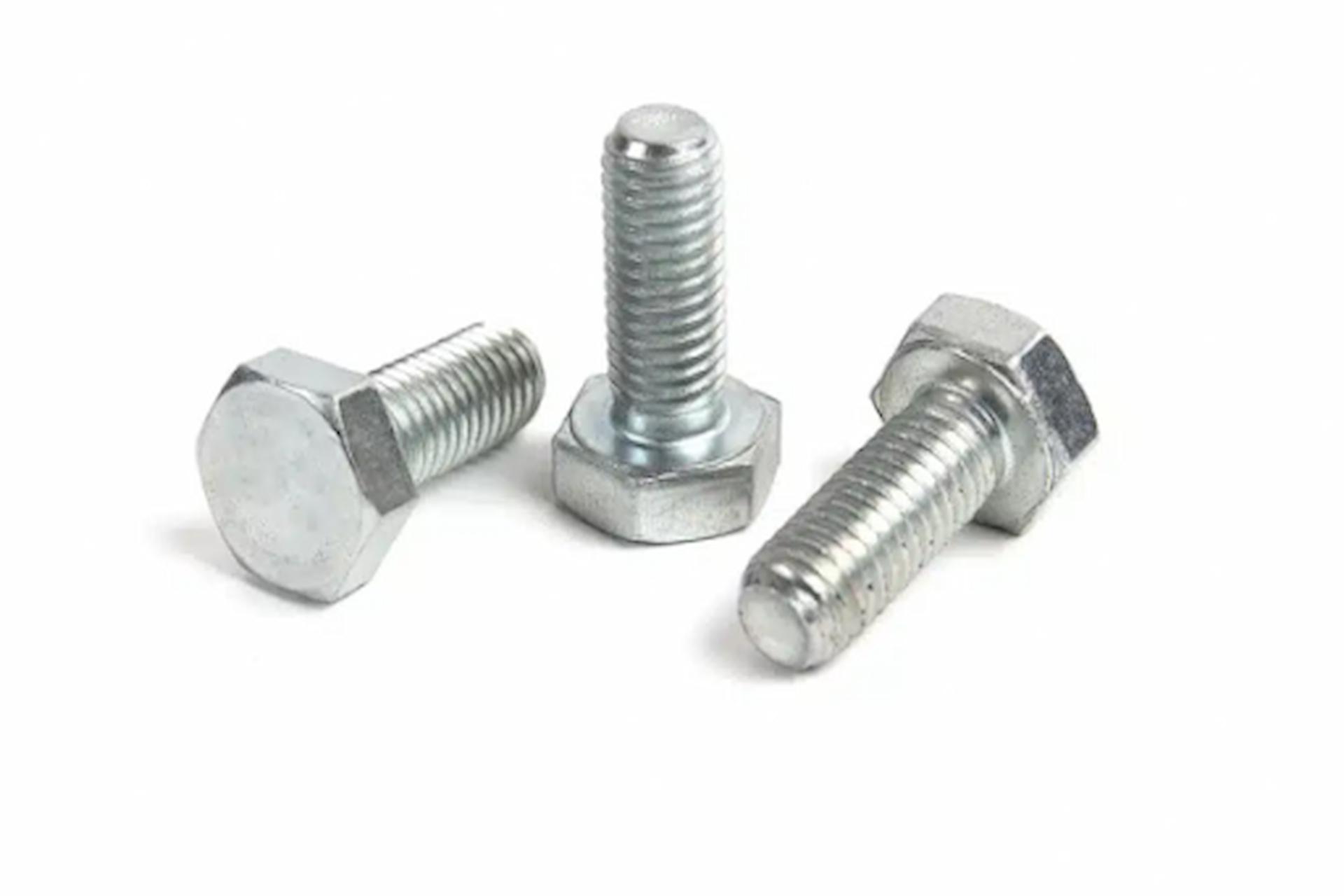
Hex bolts are the workhorses of the fastener world. Featuring a six-sided head, they’re easy to grip with standard tools and provide excellent torque transfer. You’ll find them in construction, machinery, and countless general applications throughout Australia.
Carriage Bolts
Recognisable by their smooth, domed heads and square shoulders, carriage bolts are designed to pull flush against timber. The square section beneath the head grips into the wood, preventing the bolt from spinning during tightening. They’re perfect for decking, fencing, and furniture projects.
Anchor Bolts
When you need to secure structures to concrete, anchor bolts are your go-to option. They’re embedded into wet concrete or installed using expansion mechanisms in cured concrete. Foundation work, structural steel connections, and heavy equipment mounting all rely on these specialised fasteners.
U-Bolts, Eye Bolts, and Flange Bolts
<strong>U-bolts</strong> curve around pipes and tubes, securing them to surfaces or other structures. <strong>Eye bolts</strong> feature a looped head for attaching ropes, cables, or hooks—commonly used in lifting applications. <strong>Flange bolts</strong> have an integrated washer beneath the head, distributing load over a wider area and reducing the chance of loosening.
Which Type of Bolt Is Strongest?
Strength depends more on material and grade than bolt type. That said, hex bolts in high-grade steel offer exceptional strength for most applications. For sheer pulling resistance, properly installed anchor bolts in quality concrete are remarkably strong.
Bolt Materials: Choosing the Right One for Your Project
Steel Bolts
Plain steel bolts offer excellent strength at an affordable price. They’re ideal for indoor applications where moisture isn’t a concern. However, they’ll rust quickly when exposed to the elements, so keep them protected or consider alternative materials for outdoor use.
Stainless Steel Bolts
For corrosion resistance, stainless steel is brilliant. These bolts contain chromium, which forms a protective layer against rust. They’re particularly popular in coastal areas around Australia, where salt air would destroy standard steel within months.
Galvanised Bolts
Galvanised bolts feature a zinc coating that provides solid corrosion protection at a lower cost than stainless steel. They’re a great middle-ground option for outdoor projects, fencing, and agricultural applications where some weather exposure is expected.
Brass and Bronze Bolts
These non-ferrous metals offer excellent corrosion resistance and are often chosen for marine applications. Brass and bronze won’t create galvanic corrosion when paired with other non-ferrous metals, making them ideal for boat fittings and underwater installations.
What Type of Bolt Won’t Rust?
Stainless steel and brass bolts offer the best rust resistance. For marine environments, 316-grade stainless steel (sometimes called marine-grade) provides superior protection against saltwater corrosion. Galvanised bolts resist rust well but will eventually corrode once the zinc coating wears through.
Bolt Grades and Strength Ratings
Understanding Bolt Grade Markings
Bolt heads display markings that indicate their strength grade. In the metric system, you’ll see numbers like 8.8 or 10.9—the first number represents tensile strength (divided by 100 in MPa), and the second indicates yield strength as a percentage of tensile strength.
How Do I Know What Grade Bolt I Need?
Consider the forces your connection will experience. For general DIY projects, grade 4.6 or 8.8 bolts typically suffice. Structural applications often require grade 8.8 or higher. When in doubt, consult with an engineer or check your local building codes for minimum requirements.
Metric vs Imperial Grading Systems
Australia predominantly uses metric sizing, but you’ll still encounter imperial (SAE) bolts in older equipment and American imports. Imperial grades use a different marking system—lines radiating from the bolt head indicate strength. More lines mean a stronger bolt.
Sizing Your Bolts Correctly
How to Measure Bolt Diameter and Length
Bolt diameter is measured across the threaded shank, not including the threads themselves. Length is measured from under the head to the tip—except for countersunk bolts, which are measured overall. Always double-check your measurements before purchasing.
Thread Pitch Explained
Thread pitch describes the spacing between threads. Coarse threads offer faster installation and better resistance to stripping in softer materials. Fine threads provide more precise adjustment and greater strength in harder metals. Most standard applications use coarse threading.
What Size Bolt Do I Need for My Project?
The bolt should be long enough to pass through all materials with sufficient thread engagement in the nut—at least one full bolt diameter of threading. For diameter, consider the loads involved and the hole sizes in your materials.
Matching Bolts to Your Application
Bolts for Construction and Structural Work
Structural applications demand high-grade bolts—typically 8.8 or above—with proper certification. Hot-dip galvanised finishes protect against corrosion in exposed framing. Always follow engineering specifications and Australian building standards for load-bearing connections.
Bolts for Outdoor and Marine Environments
Australia’s harsh conditions require corrosion-resistant materials. Stainless steel performs brilliantly in coastal areas, while galvanised options suit general outdoor use. For marine applications, opt for 316-grade stainless or bronze to withstand saltwater exposure.
Bolts for Automotive and Machinery
High-tensile bolts handle the vibration and stress of mechanical applications. Grade 10.9 or 12.9 bolts are common in automotive work. Consider using lock nuts or thread-locking compounds to prevent loosening from vibration.
Bolts for DIY and Home Improvement Projects
Most home projects don’t require industrial-strength fasteners. Grade 4.6 or 8.8 galvanised bolts suit decking, pergolas, and fencing beautifully. Match your bolt material to the environment—zinc-plated for interior work, galvanised or stainless for outdoors.
Common Bolt Selection Mistakes to Avoid
One frequent error is underestimating corrosion. That cheap zinc-plated bolt might save money initially, but it’ll fail years before a properly specified fastener. Another mistake is using bolts that are too short, resulting in inadequate thread engagement with the nut.
Mixing different metal types can cause galvanic corrosion—a chemical reaction that weakens both components. Also, many people overlook the importance of washers, which distribute load and prevent damage to surfaces.
Where to Buy Quality Bolts in Australia
Reputable hardware chains like Bunnings and Mitre 10 stock a wide range for DIY projects. For specialised or bulk orders, dedicated fastener suppliers such as Bolts and Industrial Supplies, Fastener Factory, or local industrial suppliers offer greater variety and technical expertise.
Making the Right Choice Every Time
Selecting the right bolt comes down to understanding your application, environment, and the forces involved. We’ve covered the main bolt types, materials, grades, and sizing considerations that will guide your decisions. Armed with this knowledge, you can approach your next project with confidence.
Remember, it’s always better to over-specify than under-specify when structural integrity matters. A slightly stronger or more corrosion-resistant bolt costs pennies more but delivers years of reliable service. Take the time to assess your specific needs, and don’t hesitate to ask for expert advice at your local supplier.
Whether you’re building a backyard deck, restoring a classic car, or working on a major construction project, the right bolt makes all the difference. Keep this guide handy for your next trip to the hardware store, and you’ll never stand confused in the fastener aisle again. Happy building!