Ever wondered what’s lurking beneath your bathroom tiles? Could a small leak be silently causing thousands of dollars worth of damage to your home right now? And what if there was a straightforward way to prevent all of this hassle before it even begins?
Bathroom waterproofing might not be the most glamorous topic, but it’s absolutely critical for every Australian homeowner. Whether you’re building a new bathroom, renovating an existing one, or simply trying to understand why that mysterious damp patch keeps appearing, getting your waterproofing right is non-negotiable. The truth is, water damage from faulty bathroom waterproofing is one of the most common – and expensive – issues Australian homes face.
In this guide, we’ll walk you through five essentials tips for effective bathroom waterproofing brighton. You’ll learn about the basics of how waterproofing works, which materials suit your needs best, why surface preparation matters more than you think, whether to hire a professional or tackle it yourself, and how to maintain your waterproofing for years to come. Plus, we’ll answer those burning questions you’ve probably been asking yourself. Let’s get stuck into it.
Understanding Bathroom Waterproofing Basics
So, what exactly is bathroom waterproofing, and how does it actually work? Put simply, waterproofing creates a barrier that stops water from seeping into your walls, floors, and structural elements. This barrier, typically a membrane, sits beneath your tiles and catches any moisture that makes its way through grout lines or around fixtures.
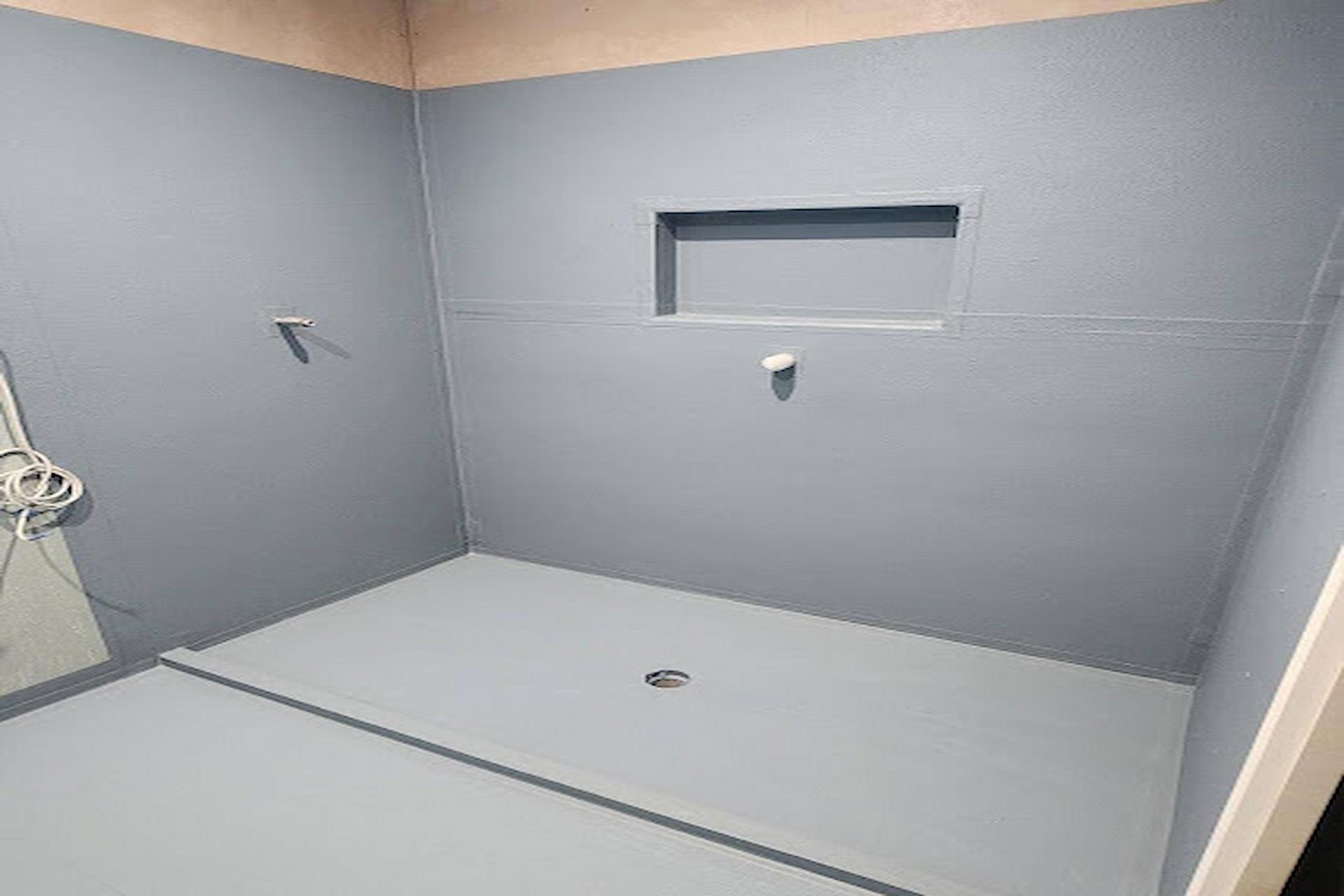
When it comes to key areas that require waterproofing in your bathroom, think about anywhere water regularly splashes or pools. Your shower recess needs complete waterproofing – floors, walls, and the hob. The floor around your bath, toilet, and vanity also needs protection. In wet areas, the waterproofing membrane must extend at least 150mm up the walls and 100mm beyond any shower screen.
Australian Standards for bathroom waterproofing (AS 3740) set out exactly what’s required. These standards aren’t just recommendations – they’re legally binding requirements that protect both homeowners and builders. The standard specifies minimum membrane thicknesses, required coverage areas, and testing procedures. Cutting corners here doesn’t just risk water damage; it could void your home insurance and create legal headaches down the track.
Choosing the Right Waterproofing Materials
Picking the right waterproofing materials can feel overwhelming when you’re staring at shelves of products at Bunnings. The two main types you’ll encounter are liquid membranes and sheet membranes, and each has its place.
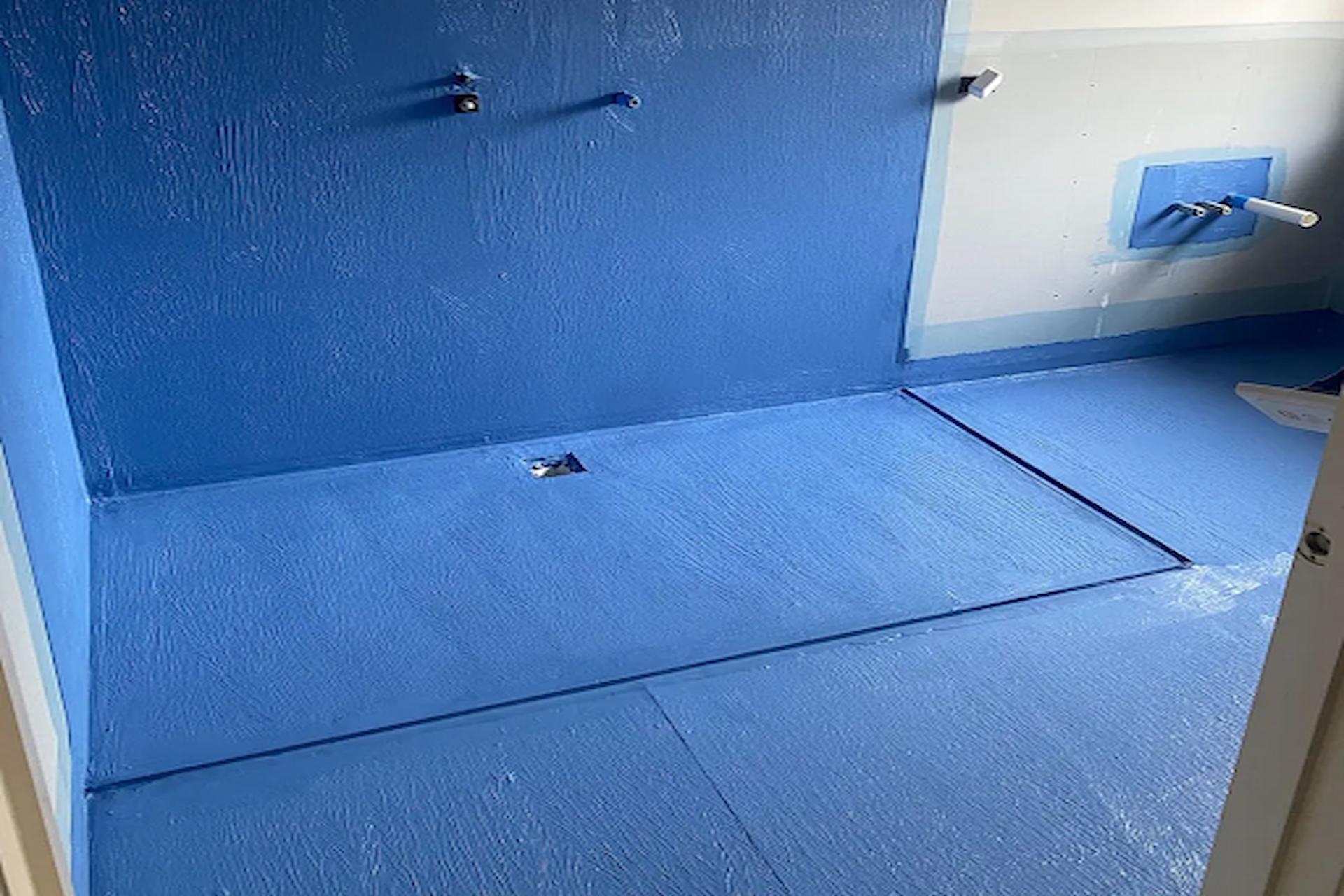
Liquid membranes are painted or rolled onto surfaces and cure to form a flexible, seamless barrier. They’re brilliant for complex areas with lots of corners, pipes, and fixtures because they conform to any shape. Sheet membranes, on the other hand, come in rolls that you cut and stick down. They provide consistent thickness and are excellent for large, flat areas like floors.
Which waterproofing product is best for bathrooms? For most residential bathrooms, liquid membranes offer the best combination of ease of application and reliability. Look for products that meet Australian Standards and come from reputable manufacturers. Brands like Davco, Ardex, and Mapei are popular choices among Australian tradies for good reason.
Preparing Your Bathroom Surface Correctly
Here’s something many people overlook: surface preparation is just as important as the membrane itself. You could use the best waterproofing product on the market, but if your surface isn’t properly prepared, you’re setting yourself up for failure.
Why is surface preparation so critical for lasting results? Waterproofing membranes need to bond firmly to the substrate beneath them. Any dust, debris, oil, or loose material will prevent proper adhesion. The surface also needs to be smooth and free from cracks or gaps that could cause the membrane to bridge and eventually fail.
Common mistakes that compromise waterproofing integrity include:
- Skipping the primer coat
- Applying membrane over dusty or damp surfaces
- Not allowing enough drying time between coats
- Failing to properly treat corners and joints
- Rushing the process to meet tight renovation deadlines
Can you waterproof over existing tiles? This is a question we hear constantly. Technically, yes – products exist specifically for this purpose. However, it’s generally not recommended as best practice. The bond between the membrane and glazed tile surface is weaker than to concrete or cement sheet. If you must go this route, use a specialist product designed for the job and accept that it’s a compromise solution.
Hiring a Licensed Waterproofer vs DIY
The DIY versus professional debate gets heated in online forums, but let’s look at the facts. Do you need a licensed waterproofer in Australia? In most states, yes – waterproofing is classified as specialist work requiring a specific licence. In New South Wales, for example, waterproofers must hold a contractor licence or be supervised by someone who does.
Beyond legal requirements, there’s the practical side. Professional waterproofers understand the standards, have experience identifying potential problem areas, and guarantee their work. A botched DIY waterproofing job might save you money upfront but could cost tens of thousands in remediation later.
How do you find a reliable waterproofing contractor? Start by checking they hold the appropriate licence for your state – this information is usually available through your state’s fair trading website. Ask for references from recent jobs and photos of their work. Get at least three quotes and be wary of anyone significantly cheaper than competitors.
What should you expect during a professional waterproofing job? A quality contractor will thoroughly inspect and prepare the surface, apply primer where needed, install the membrane in multiple coats, reinforce corners and joints with tape or bandage, and allow proper curing time before tiling. They should also provide you with documentation and a warranty. The whole process typically takes two to three days, including drying time.
Maintaining Your Waterproofing for Long-Term Protection
You’ve invested in proper waterproofing – now how do you make it last? Understanding maintenance and warning signs keeps your bathroom protected for years to come.
How long does bathroom waterproofing last? When properly installed using quality materials, bathroom waterproofing should last the lifetime of your bathroom – typically 15 to 25 years or more. However, this assumes regular maintenance and no physical damage to the membrane.
Signs your bathroom waterproofing has failed include:
- Damp patches on walls or ceilings below the bathroom
- Musty smells that won’t go away
- Tiles becoming loose or hollow-sounding
- Grout deteriorating faster than expected
- Water stains appearing on adjacent walls
How do you know if your shower is leaking behind tiles? The hollow tile test is your first step – tap tiles with a coin and listen for a hollow sound indicating water has gotten behind them. Check for water stains on ceilings below, and look for efflorescence (white crystalline deposits) on grout lines. If you’re genuinely concerned, a professional can conduct a flood test by blocking the drain and monitoring for water loss.
Protecting Your Investment: Final Thoughts on Bathroom Waterproofing
Getting your bathroom waterproofing right isn’t complicated, but it does require attention to detail and respect for the process. We’ve covered the fundamentals – understanding how waterproofing works, selecting appropriate materials, preparing surfaces properly, deciding between professional and DIY approaches, and maintaining your waterproofing over time.
The key takeaway here is simple: don’t cut corners. Whether you’re spending on your bathroom renovation, skimping on waterproofing is false economy. Water damage can destroy not just your bathroom but the structural integrity of your entire home. It can create health hazards through mould growth and slash your property value.
My advice? Unless you have genuine experience and understand the standards, hire a licensed professional. Get it done once, get it done right, and enjoy your bathroom without worrying about what might be happening beneath those beautiful tiles. Your future self – and your wallet – will thank you for taking waterproofing seriously from the start.