If you’re dealing with blocked drains in Doncaster, you’re in the right place — Honestly, below we’ll walk through what causes the problem, quick diy fixes, when to call a pro, & how to keep your pipes clear all year round — The focus is on practical steps that work for typical Doncaster homes, from brick-on-stone houses to newer weather-board builds.
Understanding Blocked Drains in Doncaster
From what I’ve seen, blocked drains in Doncaster VIC often stem from a mix of local factors: winter rains swell stormwater systems, summer barbecues leave grease in kitchen sinks, and mature jacaranda trees push roots into underground pipes. The combination of heavy seasonal rain and older clay or cast-iron lines makes the area a hotspot for stubborn clogs.
- Hair and soap scum in bathroom drains.
- Grease and food particles in kitchen waste traps.
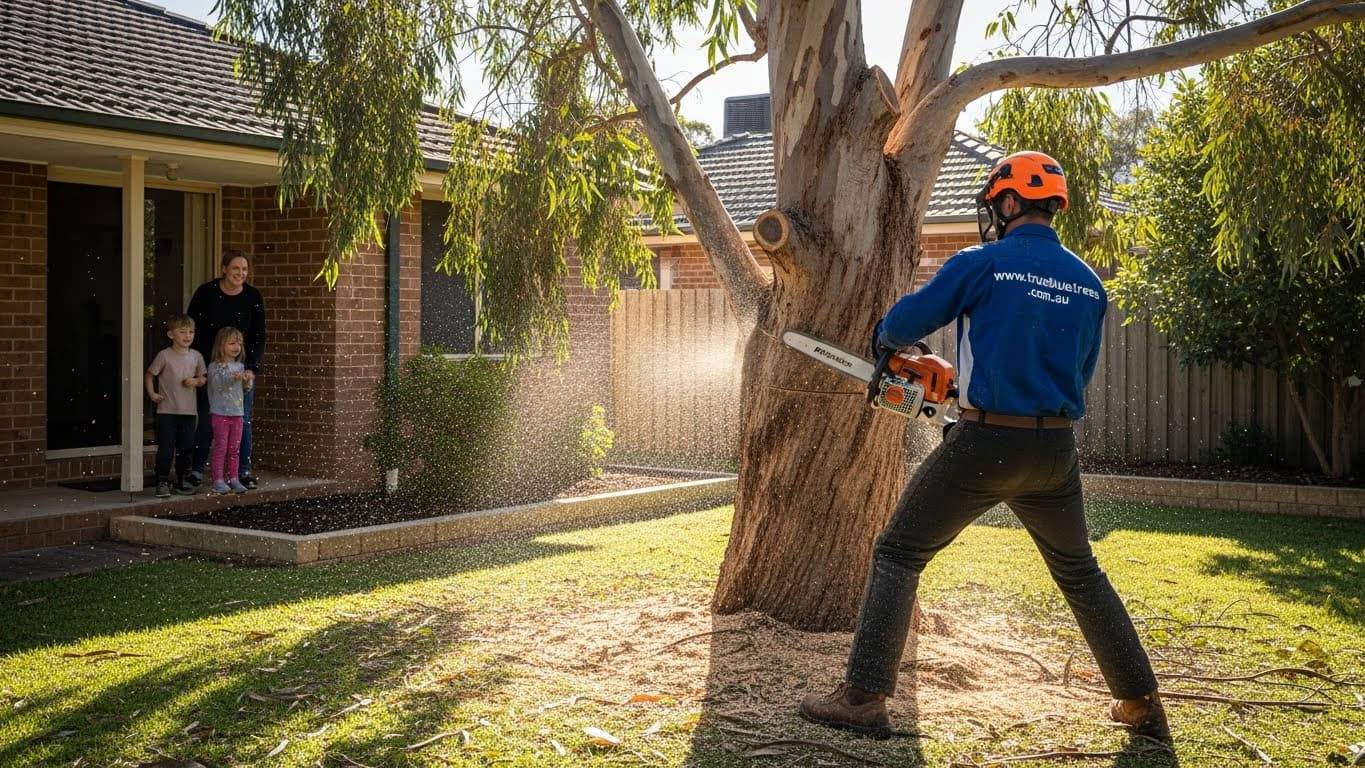
- Tree root intrusion, especially from river red gums.
- Foreign objects like toys or garden debris in outdoor stormwater outlets.
- Corrosion and pipe collapse in homes built before the 1990s.
Quick DIY Checks Before Calling a Plumber
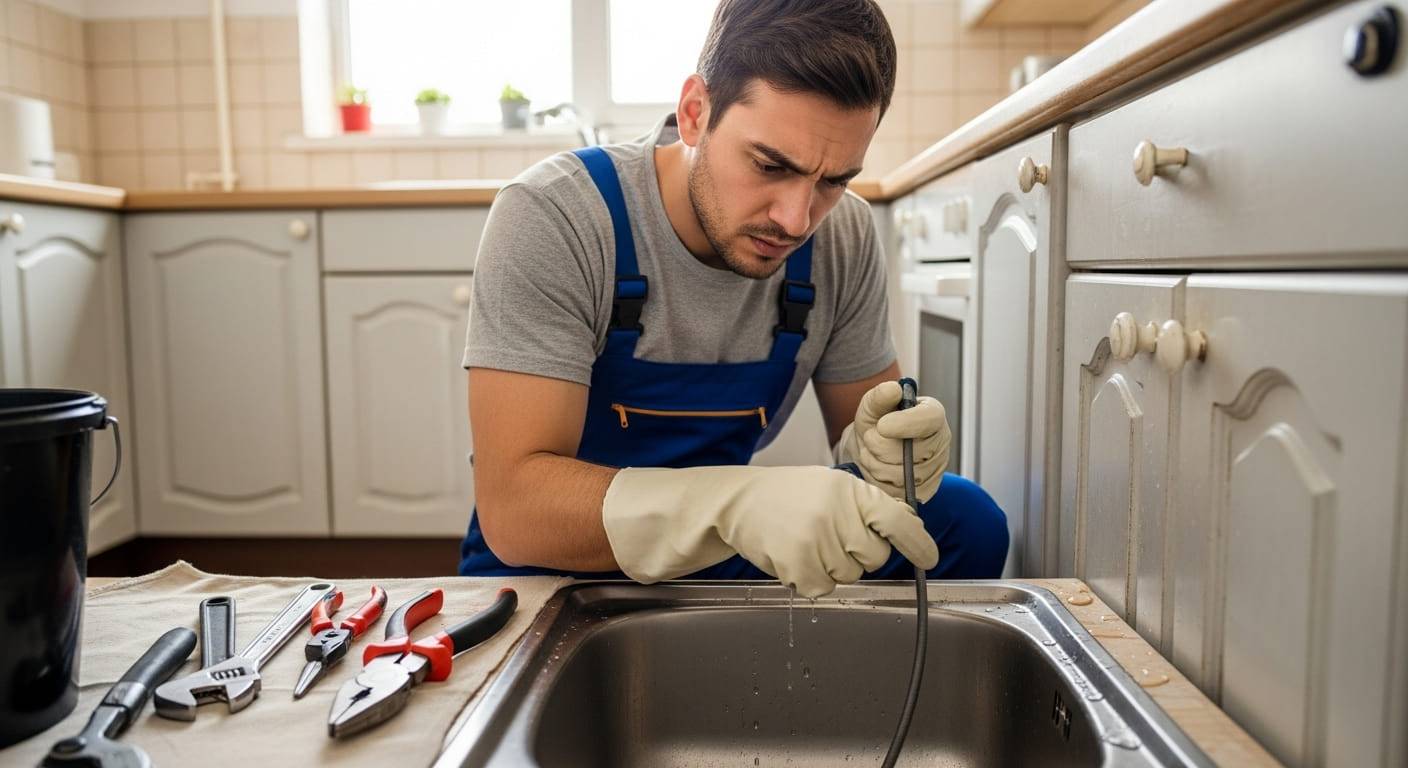
In my experience, many blockages can be ruled out with a few simple steps. First, check if the issue is isolated to one fixture or affecting the whole house. If only one sink is slow, the clog is likely near the trap. If multiple drains are sluggish, the problem is probably further down the line.
- Remove the trap and clean out visible debris.
- Pour a cup of boiling water down the drain, followed by a half-cup of baking soda and a splash of white vinegar — Let it fizz for 15 minutes, then flush with hot water.
- Use a hand-held plunger, ensuring a tight seal, and give 15–20 strong thrusts.
- Inspect the external stormwater grates for leaves or sand buildup after a rainstorm.
Look, if these steps don’t restore normal flow within 30 minutes, it’s time to bring in a blocked drain plumber Doncaster — Trying to force the blockage with excessive force can damage PVC or older cast-iron sections.
When to Call a Professional Blocked Drain Plumber in Doncaster
What typically happens is that a minor clog escalates into a full-scale plumbing emergency when water backs up into living spaces. You’ll know it’s time for a pro when you see any of the following signs:
- Water pools on the floor of the kitchen or bathroom after a shower.
- Foul sewer smells drifting from drains, especially after heavy rain.
- Gurgling noises from pipes that persist throughout the day.
- Visible water seepage around the foundation or in the garden.
- Recurring blockage in the same location despite DIY attempts.
Honest advice: a plumbing emergency Doncaster can turn into a costly repair if ignored — Um, a qualified technician will use cctv inspection to pinpoint the exact spot and recommend the right tool.
Technology Options for Clearing Blocked Drains
Modern drain clearing service Doncaster offer several tech-driven choices. Below is a quick comparison to help you decide which method fits your situation.
| Technology | Best For | Pros | Cons |
| High-Pressure Jetting | Grease, sand, and minor root intrusions | Fast, clears long sections, minimal digging | Can stress old clay pipes if pressure is too high |
| Hydro-Excavation | Severe root blockage or collapsed pipe segments | Excavates with water, reduces soil disruption | More expensive, requires access points |
| Robotic Cutter | Hard tree roots embedded in pipe walls | Precisely cuts roots without harming pipe | Requires CCTV to locate exact root path |
| CCTV Inspection | Diagnosing unknown blockage cause | Visual evidence, aids insurance claims | Doesn’t clear the blockage itself |
And, if you’re dealing with a stormwater drain blockage Australia, hydro-excavation combined with a robotic cutter often gives the best result without damaging surrounding landscaping.
Seasonal Maintenance Calendar for Doncaster Homes…
Weather in Doncaster swings from wet winters to dry summers, so a maintenance schedule helps keep drains clear all year.
- February–March (late summer): Flush all outdoor stormwater drains with a garden hose; remove any sand or leaf litter.
- April–May (autumn): Inspect kitchen waste traps for grease buildup; clean with hot water & baking soda.
- June–August (winter): Run hot water through all indoor drains weekly to prevent freezing of residual moisture.
- September–October (spring): Check for tree root intrusion after heavy rains; schedule a CCTV inspection if you notice slow drainage.
- November–December (early summer): Apply a non-chemical pipe coating to protect PVC from UV degradation.
And remember, after any major storm, walk the property and look for standing water around the curb or in the garden – that’s a sign the stormwater system may be clogged.
Tree Root Intrusion & Long-Term Prevention
Tree root intrusion drain problems are common in Doncaster because many homes sit near mature gum and pine trees. Roots sense for pipe tiny gaps & can cause a complete blockage in a matter of months.
- Use an acoustic sensor to listen for root growth in the pipe.
- Install a root barrier pipe a trench along the pipe’s path.
- Schedule an annual CCTV check after the rainy season.
- Consider a pipe-lining system that adds a smooth interior surface, making it harder for roots to adhere.
Honestly, if you notice a slow drain after a heavy rain, don’t wait for a full backup – call a professional to assess root intrusion before it becomes a sewer line blockage Victoria.
Eco-Friendly Cleaning Methods vs. Chemicals
Many homeowners reach for harsh chemicals, but there are greener alternatives that work well on typical Doncaster blockages.
- Baking soda & vinegar– simple, non-corrosive, good for grease.
- Enzymatic drain cleaners– break down organic material over time, safe for all pipe types.
- Hot water + dish soap– effective for kitchen sinks after cooking.
- Mechanical auger– reusable, no chemicals, ideal for hair clogs.
And if you prefer a professional route ask the plumber to use a biodegradable jetting fluid instead of traditional acid-based cleaners.
Legal and Insurance Considerations for Shared Drains
In Doncaster some drains are owned by the local council while others are shared between adjacent properties — Knowing who’s responsible can save you a lot of hassle.
- Check your title deed for any easement clauses.
- Document the blockage with photos and a short video before work starts.
- If the drain is council-owned submit a written request for inspection; keep a copy of the response.
- For insurance claims, provide the CCTV footage as evidence of the blockage source.
Make sure you have a clear line of communication with neighbours when a shared drain is affected – a cooperative approach speeds up repairs.
Smart Home Monitoring for Early Detection
Modern smart-home devices can alert you to a slowdown before it becomes a full blockage. Um, a water-flow sensor installed on the main inlet can send a notification to your phone if flow drops below a set threshold.
- Set the sensor to trigger an alert after a 10 % drop in flow for more than 5 minutes.
- Pair the sensor with a smart valve that can shut off water to prevent overflow.
- Integrate the system with a home-automation hub for a unified dashboard.
And if you already have a water-monitoring system review the data after each heavy rain – a sudden spike in back-flow could indicate a stormwater drain blockage Australia.
Case Study: How a Doncaster Homeowner Fixed a Blocked Drain
Jane, a homeowner in the suburb of Doncaster East, noticed a slow-draining kitchen sink and a faint sewer smell after a week of heavy rain. she tried a DIY baking-soda and vinegar mix, but the water still pooled at the base of the sink. she inspected the external stormwater grates and found a thick layer of sand and leaf litter, but the problem persisted.
She called a local blocked drain plumber Doncaster for a CCTV inspection, and the camera revealed a large tree-root intrusion a the 150 mm PVC pipe that ran under her garden, causing a near-complete blockage. Here’s the thing: the plumber used a robotic cutter to sever the roots and then performed a high-pressure jetting pass to clear residual debris. After the job, Jane received a video report and a short written summary, which she stored for future insurance claims.
Since the treatment, Jane follows the seasonal maintenance calendar: she flushes her stormwater drains each spring & schedules an annual CCTV check after winter. She also installed a smart-flow sensor on her main water line, which alerts her to any sudden drop in pressure. The result? No repeat blockages, and peace of mind during Melbourne’s unpredictable rain patterns.
Conclusion
Blocked drains in Doncaster are a common nuisance, but with the right knowledge you can clear stubborn clogs fast and prevent costly damage. Start with simple DIY checks, keep a seasonal maintenance routine, and know when to call a professional who uses the latest technology. Protect your home by monitoring flow, documenting issues, and staying ahead of tree-root intrusions. By following these steps, you’ll keep your plumbing running smoothly all year round, no matter how wet the winter gets or how hot the summer gets.