Choosing the right demolition contractor can feel like a big decision, especially when you’re planning a house demolition in Australia. A reliable demolition contractor not only tears down a building safely, but also respects local regulations, protects the environment, and keeps your budget on track. In this guide we’ll walk you through everything you need to know – from legal requirements in each state to the questions you should ask before signing a contract. By the end, you’ll feel confident picking a demolition contractor who delivers quality work and peace of mind.
Understanding Demolition Types for Residential Projects
Before you start looking for a demolition contractor, it helps to know the main demolition methods used in house demolition. Each method has its own set of tools, timelines, and safety considerations.
Manual (Selective) Demolition
Manual demolition involves crews using hand tools, sledgehammers, and small excavators to take apart a structure piece by piece. This approach is ideal when you need to preserve certain materials, such as timber or bricks, for reuse or resale. A demolition contractor experienced in manual demolition can carefully separate hazardous elements like asbestos before the rest of the house is removed.
Mechanical Demolition
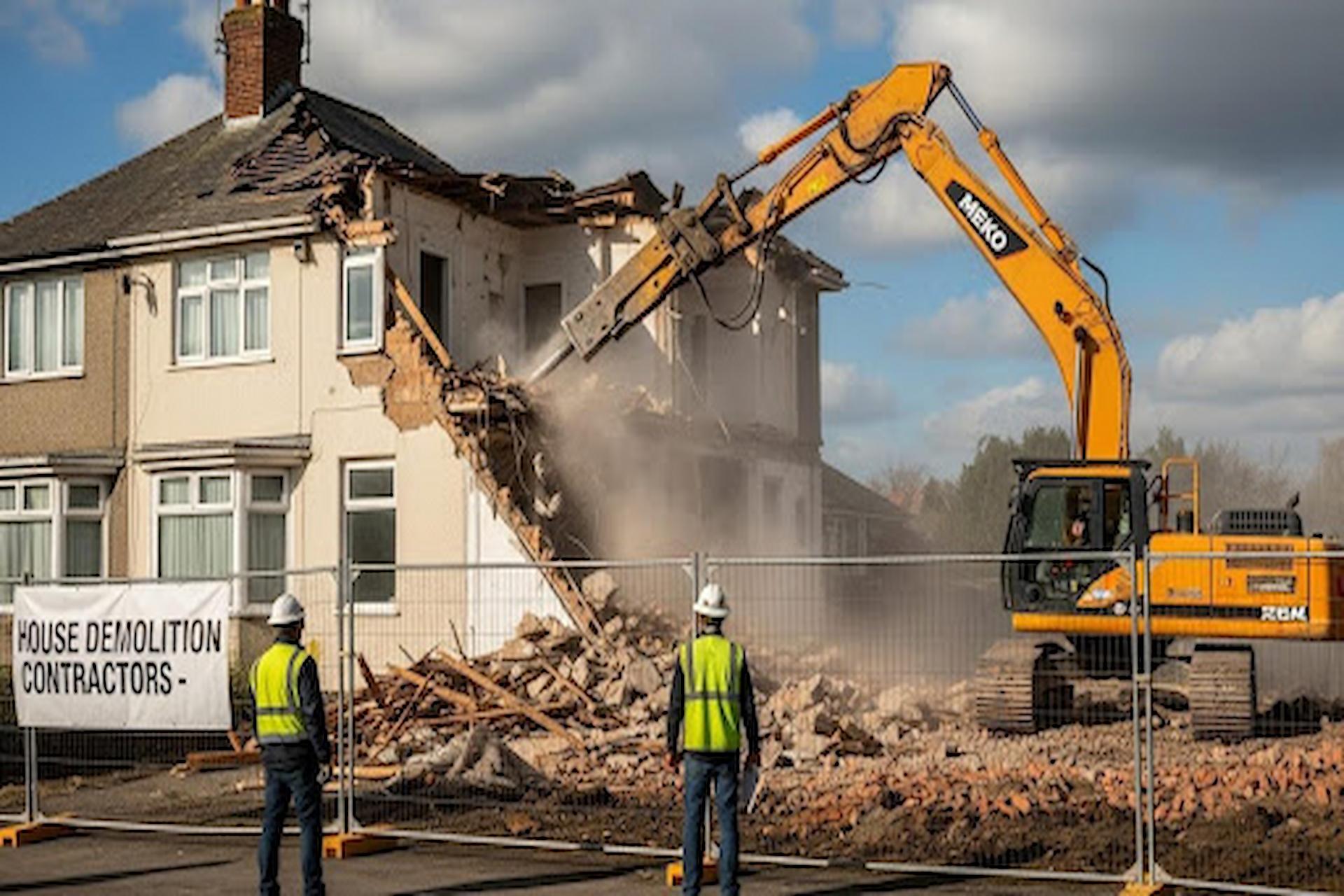
Mechanical demolition relies on heavy equipment such as hydraulic excavators, wrecking balls, or high-reach machines. It’s the fastest way to bring down a typical Australian home, especially when the site is clear of nearby structures. A demolition contractor using mechanical methods must have a solid safety plan and a crew trained to operate the machinery safely.
Implosion (Rare for Residential Use)
Implosion is a controlled use of explosives to collapse a building in seconds. While common for large commercial sites, it’s rarely used for single-family homes due to safety and regulatory constraints. If a demolition contractor suggests implosion for a house, ask for a detailed risk assessment and local council approval.
Legal and Safety Requirements Across Australia
Australia has strict rules governing demolition to protect workers, neighbours, and the environment. These rules vary by state and territory, so a demolition contractor must be familiar with the local legislation that applies to your project.
National Standards
- Work Health and Safety (WHS) Act – sets out duties for employers and contractors.
- Australian Standards AS 2601 – guidelines for demolition and de-construction.
- Environmental Protection and Biodiversity Conservation Act – covers waste handling and hazardous material disposal.
State-Specific Rules
- New South Wales (NSW)– Requires a demolition licence from SafeWork NSW and a development approval from the local council.
- Victoria (VIC)– Demolition work must comply with the Occupational Health and Safety Act and the Victorian Building Authority’s demolition guidelines.
- Queensland (QLD)– A demolition licence is issued by Workplace Health and Safety Queensland; asbestos removal must be licensed separately.
- South Australia (SA)– The Work Health and Safety Act governs demolition, and a demolition permit is required for structures over 10 m high.
- Western Australia (WA)– Demolition licences are managed by WorkSafe WA; environmental impact assessments may be needed for larger sites.
A demolition contractor who knows these regulations will handle the paperwork, obtain the necessary permits, and schedule inspections on your behalf. This saves you time and reduces the risk of costly fines.
How to Vet a Demolition Contractor
When you start shortlisting demolition contractors, use a systematic approach to compare their credentials, experience, and reputation. Below are the key steps to follow.
Check Licensing and Insurance
- Confirm the contractor holds a valid demolition licence for your state.
- Ask for proof of public liability and workers’ compensation insurance.
- Verify that any asbestos removal subcontractors have the appropriate licences.
Review Past Projects
- Request case studies or photos of recent house demolitions.
- Look for projects similar in size, location, and complexity to yours.
- Check if the contractor follows sustainable practices such as material recycling.
Read Customer Feedback
- Search for reviews on local platforms like Google, ProductReview.com.au, and Facebook.
- Pay attention to comments about timeliness, communication, and clean-up quality.
- Ask the contractor for references you can call.
Assess Communication and Transparency
- Do they respond promptly to your inquiries?
- Do they provide a clear, itemised quote with no hidden fees?
- Do they explain the demolition process in plain language?
Comparing Quotes and Services
A quote from a demolition contractor should be more than a price tag; it should outline the scope of work, safety measures, waste disposal plans, and timelines. Here’s how to compare quotes effectively.
Key Elements to Look For
- Scope of Work– Detailed description of demolition method, site preparation, and clean-up.
- Timeline– Start date, estimated duration, and milestones.
- Cost Breakdown– Labour, equipment, disposal fees, and any contingency amounts.
- Safety Plan– Hazard identification, protective equipment, and emergency procedures.
- Environmental Management– Recycling targets, waste segregation, and dust control.
Red Flags to Watch
- Quotes that are significantly lower than others – may indicate shortcuts or missing permits.
- Vague descriptions of work or missing safety details.
- Requests for large upfront deposits before a contract is signed.
- Unwillingness to provide references or proof of licence.
Managing the Demolition Process
Once you’ve hired a demolition contractor, staying involved helps ensure the project runs smoothly. Below are practical tips for managing the demolition of your house.
Pre-Demolition Checklist
- Confirm that all permits are in place and displayed on site.
- Arrange a site walk-through with the contractor to identify utilities, hazardous materials, and neighbour concerns.
- Set up a clear communication channel – phone, email, or a project management app.
During Demolition
- Ask for daily or weekly progress updates.
- Inspect waste segregation bins to ensure recycling targets are being met.
- Monitor dust control measures such as water sprays and barriers.
Post-Demolition Clean-Up
- Ensure the contractor removes all debris, hazardous waste, and equipment.
- Request a final site inspection report signed off by a qualified inspector.
- Keep all documentation for future reference, especially if you plan to build a new home on the same lot.
Sustainable Demolition Practices in Australia
Australian homeowners are increasingly interested in eco-friendly demolition. A demolition contractor who embraces sustainability can reduce waste, lower costs, and improve your project’s environmental footprint.
Material Recycling
- Concrete and brick can be crushed and reused as aggregate for new construction.
- Timber is often reclaimed for furniture or landscaping.
- Metal components such as steel beams, copper piping, and aluminium roofing are sold to scrap yards.
Energy-Efficient Equipment
- Look for contractors that use low-emission excavators or electric-powered tools.
- Equipment with fuel-efficiency ratings reduces greenhouse-gas output.
Waste Management Plans
- A detailed waste-management plan outlines how each material will be handled, stored, and transported.
- Compliance with state waste-avoidance legislation demonstrates a contractor’s commitment to sustainability.
Questions and Answers: Common Questions About Demolition Contractor in Australia
Below are the most frequently asked questions by Australian homeowners who are looking for a demolition contractor. The answers are based on local regulations and best practices.
Q: What licences does a demolition contractor need in NSW?
In New South Wales a a demolition contractor must hold a demolition licence issued by SafeWork NSW. The licence requires proof of training, insurance, and compliance with the Work Health and Safety Act. The contractor also needs a development approval from the local council before any work can start.
Q: How is asbestos handled during a house demolition in Australia?
If asbestos is suspected, a licensed asbestos assessor must inspect the property. The demolition contractor must then engage a licensed asbestos removalist to safely remove and dispose of the material according to the Australian Standard AS 2601. The removal process is separate from the demolition licence and must be documented for the council.
Q: Can I recycle the materials from my demolished home?
Yes. Most demolition contractors in Australia offer recycling services. Concrete, brick, timber, and metal can be sorted on-site and sent to recycling facilities. Ask the contractor for a waste-management plan that outlines the recycling percentage they target for your project.
Q: What should I expect to pay for a typical house demolition in Queensland?
Costs vary based on size, location, and site conditions, but a typical single-family home in Queensland can cost between $15,000 and $30,000. The quote should include labour, equipment, waste disposal, and any required permits. Always ask for a detailed breakdown to avoid surprise charges.
Q: How long does a residential demolition usually take?
A standard house demolition takes between 3 to 7 days, depending on the method used and any hazardous material removal. Mechanical demolition is faster, while manual demolition may take longer if you’re preserving specific materials for reuse.
Conclusion: Your Path to a Successful Demolition Contractor in Australia
Choosing a demolition contractor for a house demolition in Australia is a step-by-step process that blends legal compliance, safety, and sustainability. Start by understanding the demolition methods and the specific regulations in your state. Verify licences, insurance, and past work, then compare detailed quotes that include scope, timeline, and waste-management plans. Keep communication open throughout the project, monitor progress, and ensure a thorough clean-up. By following these guidelines, you’ll secure a demolition contractor who not only tears down your home safely but also respects the environment and your budget. With the right partner in place, you’ll be ready to move forward to the next phase of your property journey.